El Ghriba: A Pilgrimage on an Island
Every spring, Jewish pilgrims come to a blue-tiled synagogue on the Tunisian island of Djerba, and their Muslim neighbours come to welcome them. Legend says the stones came from Jerusalem.
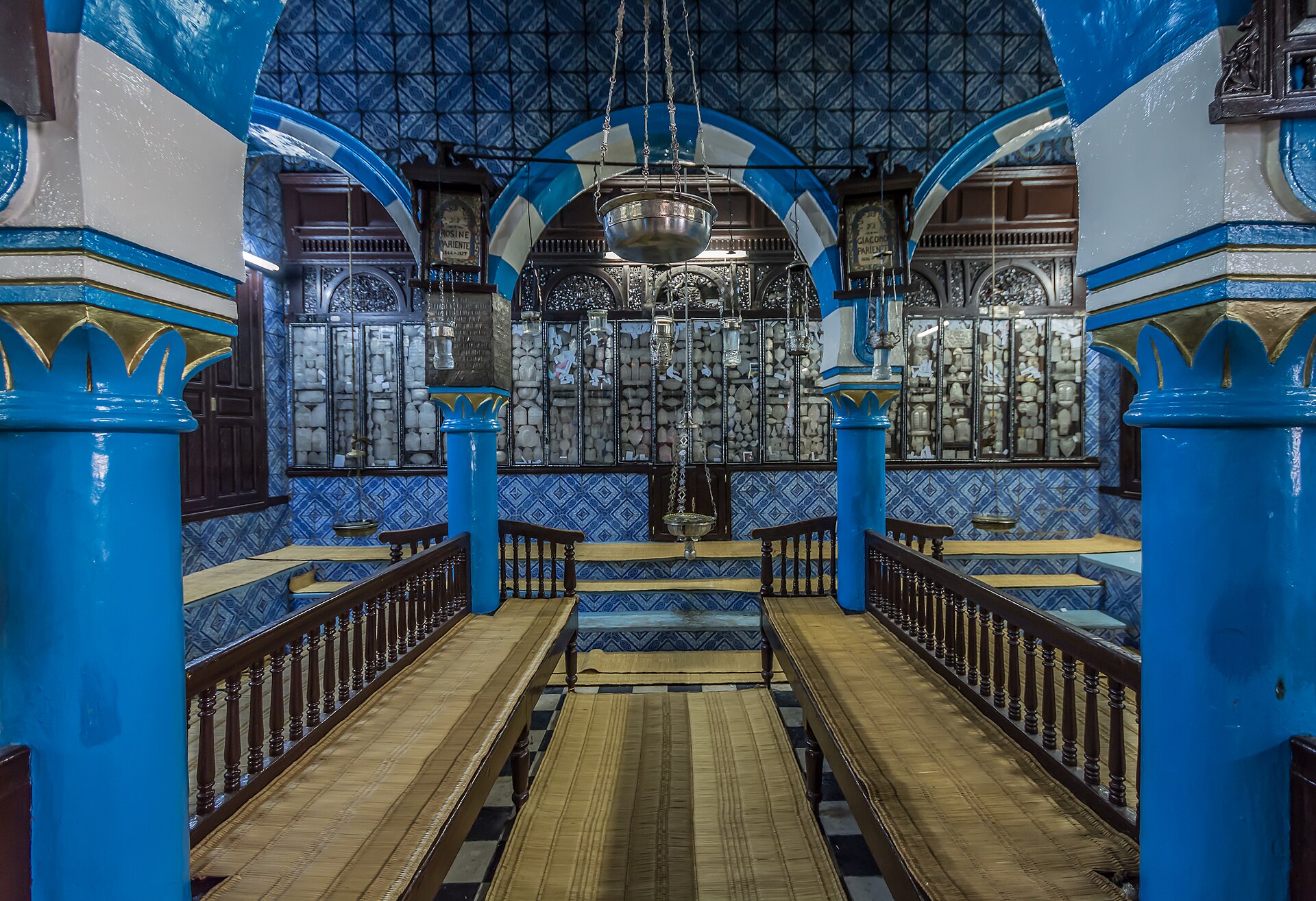
On the island of Djerba, off the coast of Tunisia, stands the El Ghriba synagogue, its interior painted in blue and white. Every year, from the fourteenth to the eighteenth of the Hebrew month of Iyar, ending on the festival of Lag BaOmer, pilgrims come from Tunisia, France, Israel and further away.
A legend, and it is a legend, says that priests fleeing the destruction of the Temple in Jerusalem brought a door and a stone from it to the island and built the first synagogue here. The present building dates from the late nineteenth century, but the community is among the oldest in the Jewish world.
The pilgrimage is a Jewish festival with Muslim hosts, on an island that has kept both for a very long time.
Kept, and guarded
The pilgrimage has been attacked more than once, and it now takes place under heavy guard. It continues. Places like El Ghriba are why we write about places at all: they show that the Abrahamic family is not an abstraction in a treaty, but neighbours who have learned each other's feast days.
Written by
Editorial desk
Contributor, Abrahamic Ambassadors
Ask the Tent
Questions about this article? The Tent answers from the Archive and the Journal.
More like this
Related Articles
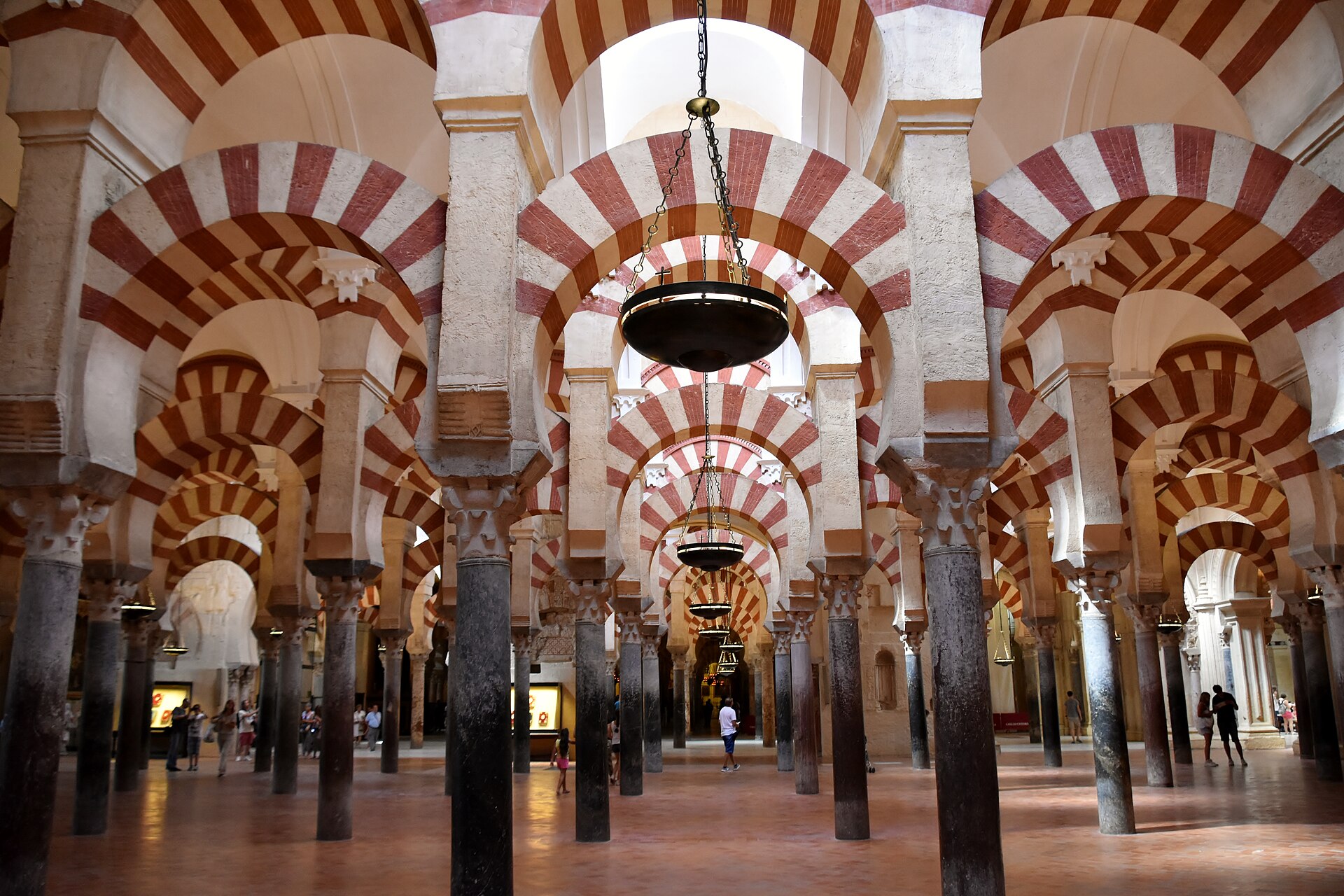
Córdoba and Toledo: What Al-Andalus Remembers
A mosque begun in 785, a synagogue built with horseshoe arches, a city of translators. The golden age of Muslim Spain was real, and it was not simple. Both halves of that sentence matter.
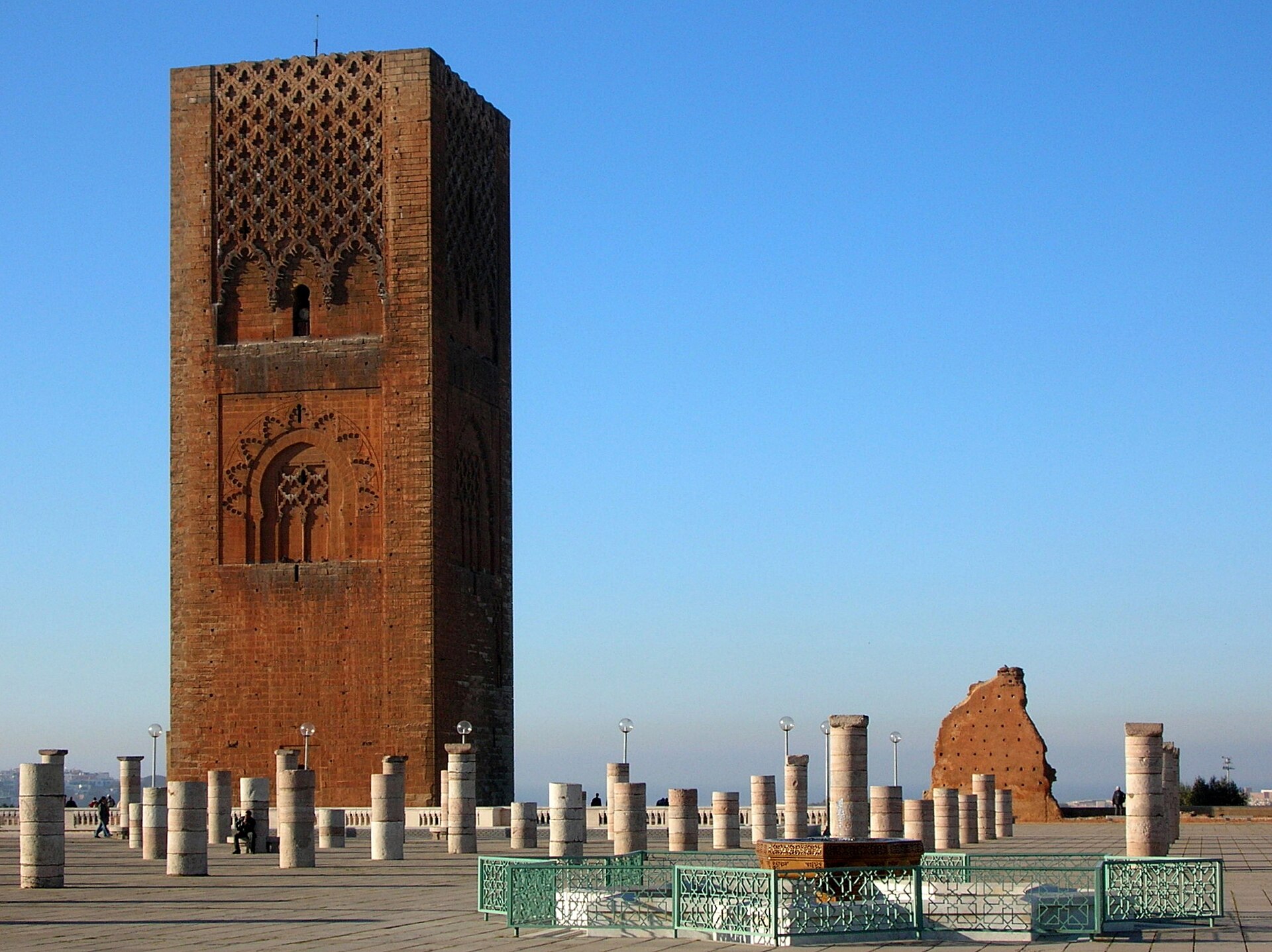
Abu Dhabi, Manama, Rabat: The Capitals of the Accords
A synagogue in Manama, a constitution in Rabat, a garden of three houses in Abu Dhabi. The Accords were signed in Washington, but they live in three Arab capitals with long Jewish memories.