Fifteenth of September: The Day the Abraham Accords Were Signed
On the South Lawn of the White House, the United Arab Emirates and Bahrain signed with Israel, and the treaty with the Emirates named a common father. It was the first new peace between Israel and an Arab state in twenty-six years.
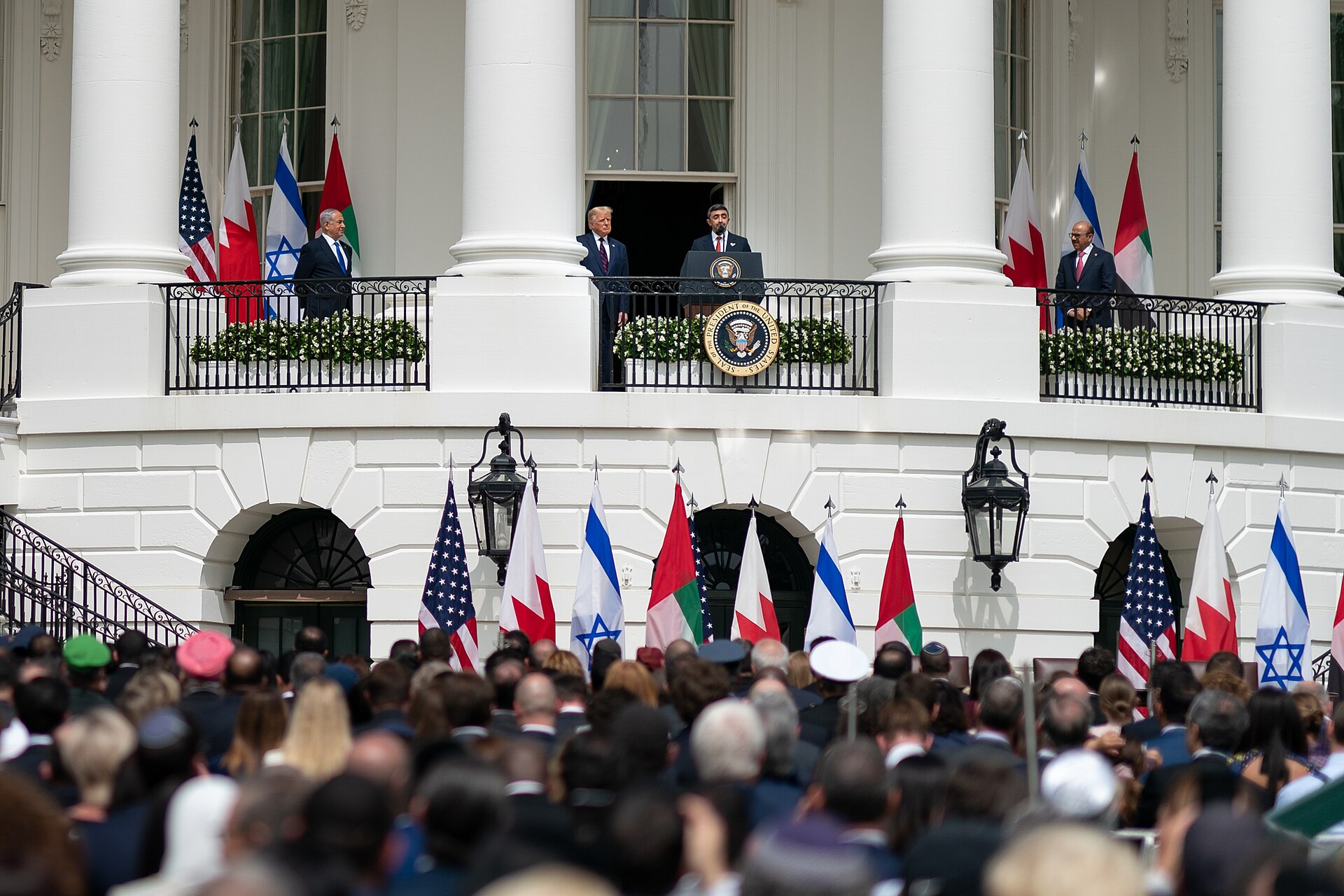
On the fifteenth of September 2020, on the South Lawn of the White House, four men signed papers that would have been hard to imagine a year before. Abdullah bin Zayed Al Nahyan signed for the United Arab Emirates, Abdullatif Al Zayani for Bahrain, Benjamin Netanyahu for Israel, and President Donald Trump for the United States.
Three documents were signed that day. The first was a treaty of peace, diplomatic relations and full normalisation between the UAE and Israel. The second was a Declaration of Peace between Bahrain and Israel. The third, the shortest, was the Abraham Accords Declaration itself: a few paragraphs on peace, coexistence and religious freedom, open to any state that wished to sign it later.
The treaty with the Emirates names Abraham as the common ancestor of Arabs and Jews. It is, as far as we know, the first peace treaty to begin its argument in Genesis.
Four weeks, then four months
The road to the lawn was short. The joint statement on the UAE and Israel came on the thirteenth of August 2020. Bahrain followed on the eleventh of September. After the signing, Sudan announced its intention on the twenty-third of October and signed the Declaration in Khartoum on the sixth of January 2021. Morocco's announcement came on the tenth of December 2020, and a joint declaration with Israel and the United States was signed in Rabat on the twenty-second.
The Accords did not end every conflict in the region, and they did not settle the question of a Palestinian state. Their claim was smaller and, for that reason, more durable: that neighbours who share a father need not wait for every argument to be won before they open their doors to each other. Every document named here is in the Archive, with a link to its official source.
Written by
Editorial desk
Contributor, Abrahamic Ambassadors
Ask the Tent
Questions about this article? The Tent answers from the Archive and the Journal.
More like this
Related Articles
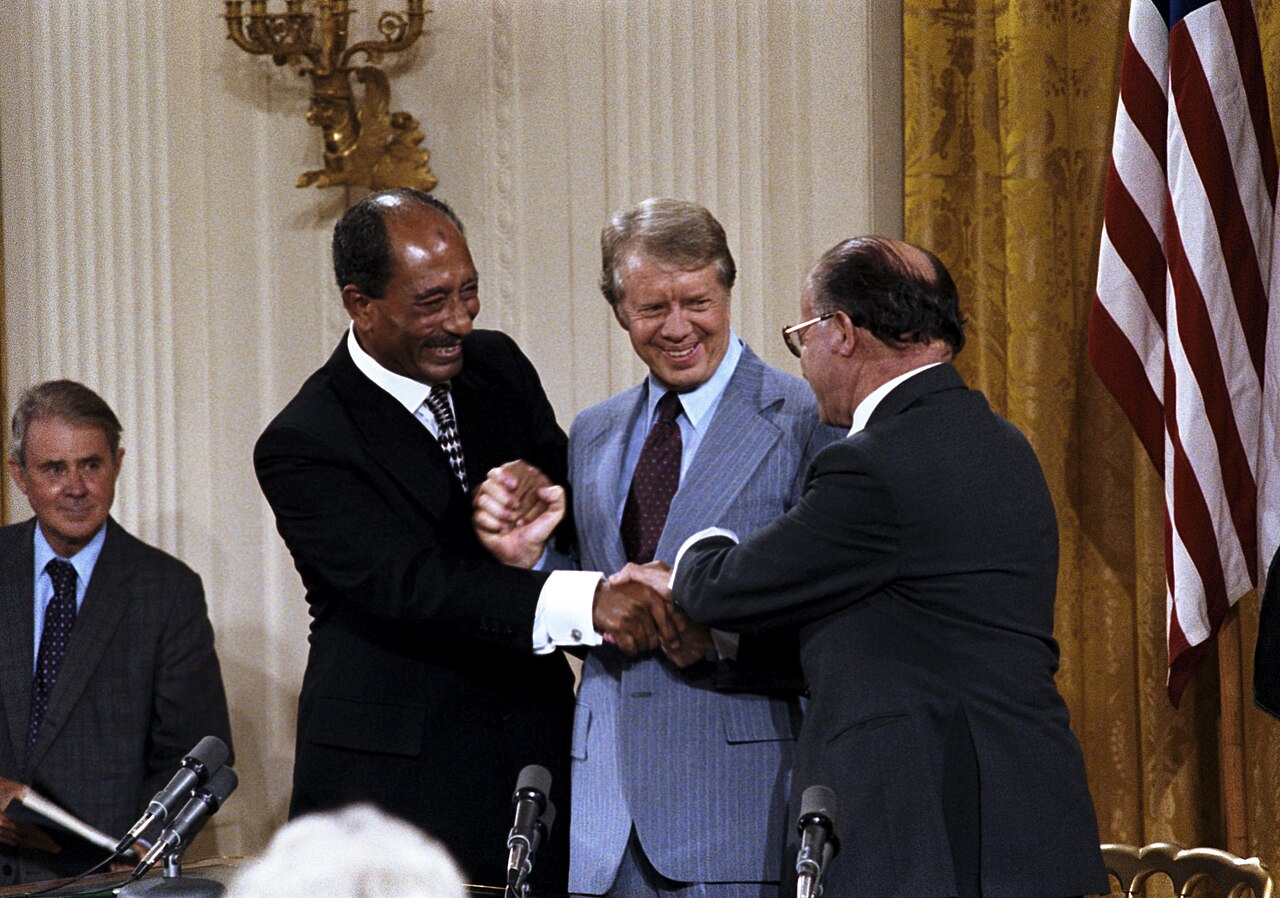
Thirteen Days at Camp David
In September 1978 Jimmy Carter shut himself in the Maryland hills with Anwar Sadat and Menachem Begin. Thirteen days later they came out with two frameworks, and six months later with the first peace between Israel and an Arab state.
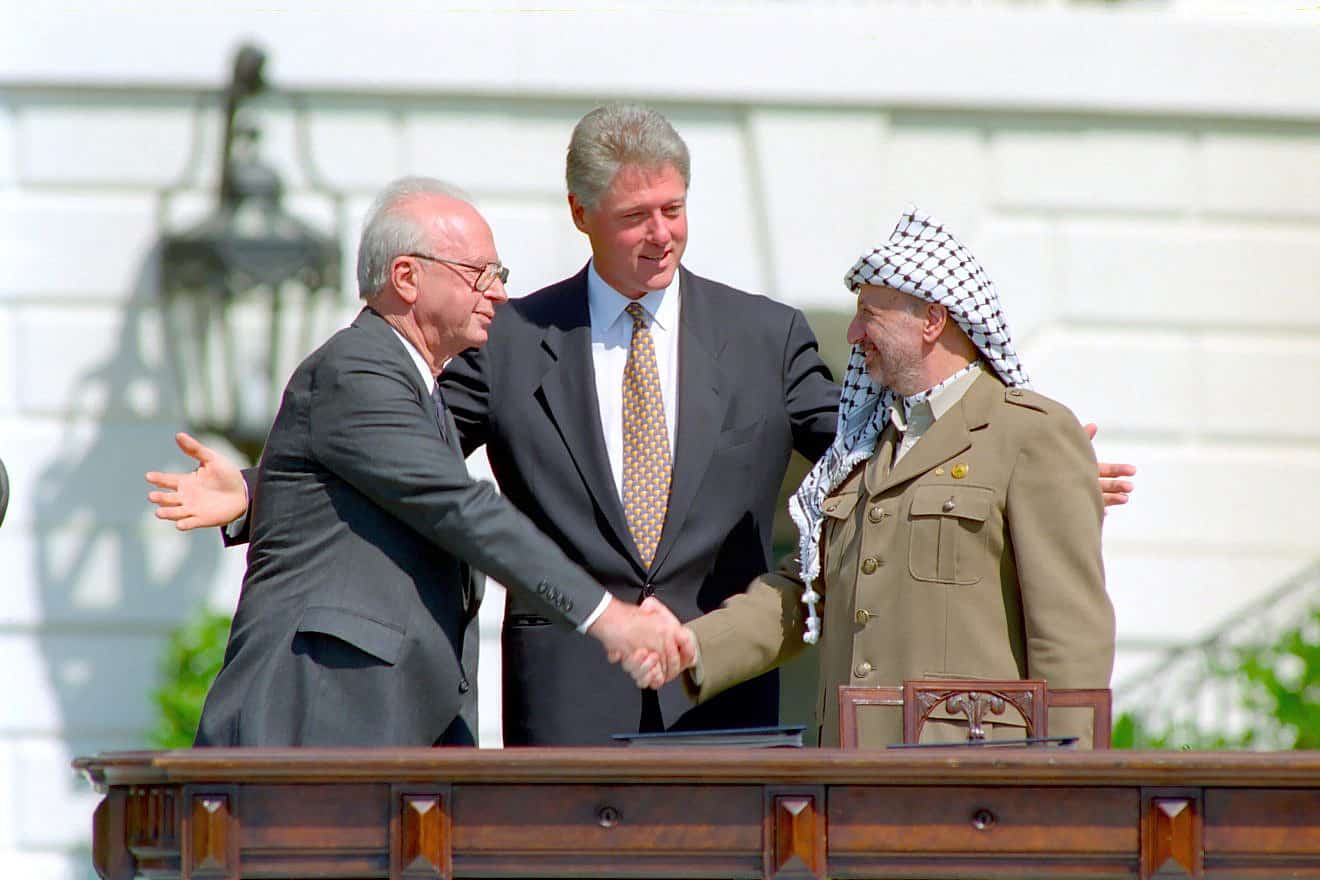
Oslo, 1993: A Handshake on the White House Lawn
On 13 September 1993 Yitzhak Rabin took Yasser Arafat’s hand while Bill Clinton stood between them. The Declaration of Principles did not bring a final peace, but it changed what could be said aloud.
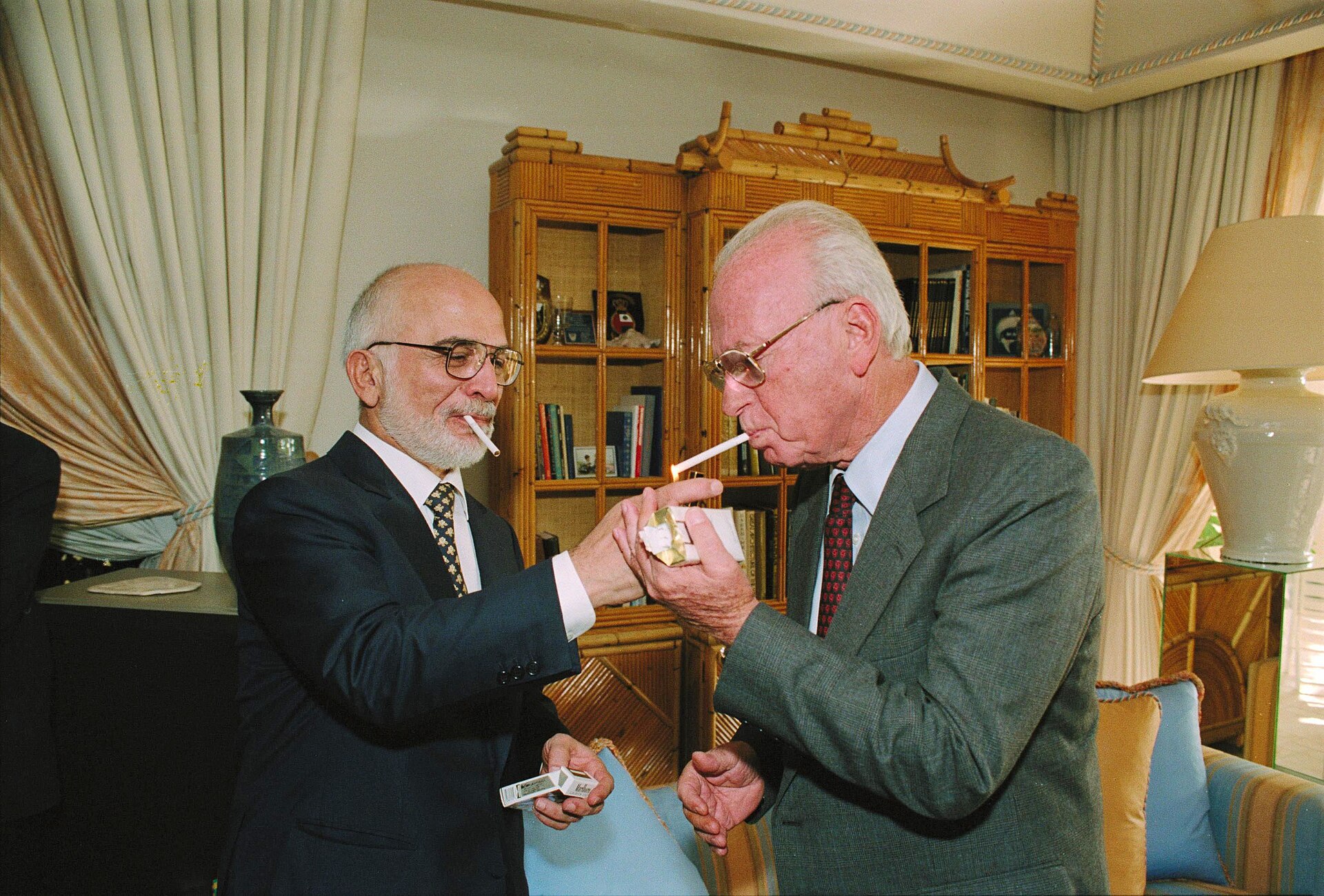
The Arava Treaty: Peace Between Israel and Jordan
On 26 October 1994, in the desert crossing between Eilat and Aqaba, Israel and Jordan signed a full peace. Behind it stood a long, quiet friendship between a king and a general.