Genesis 11
From Ur of the Chaldeans
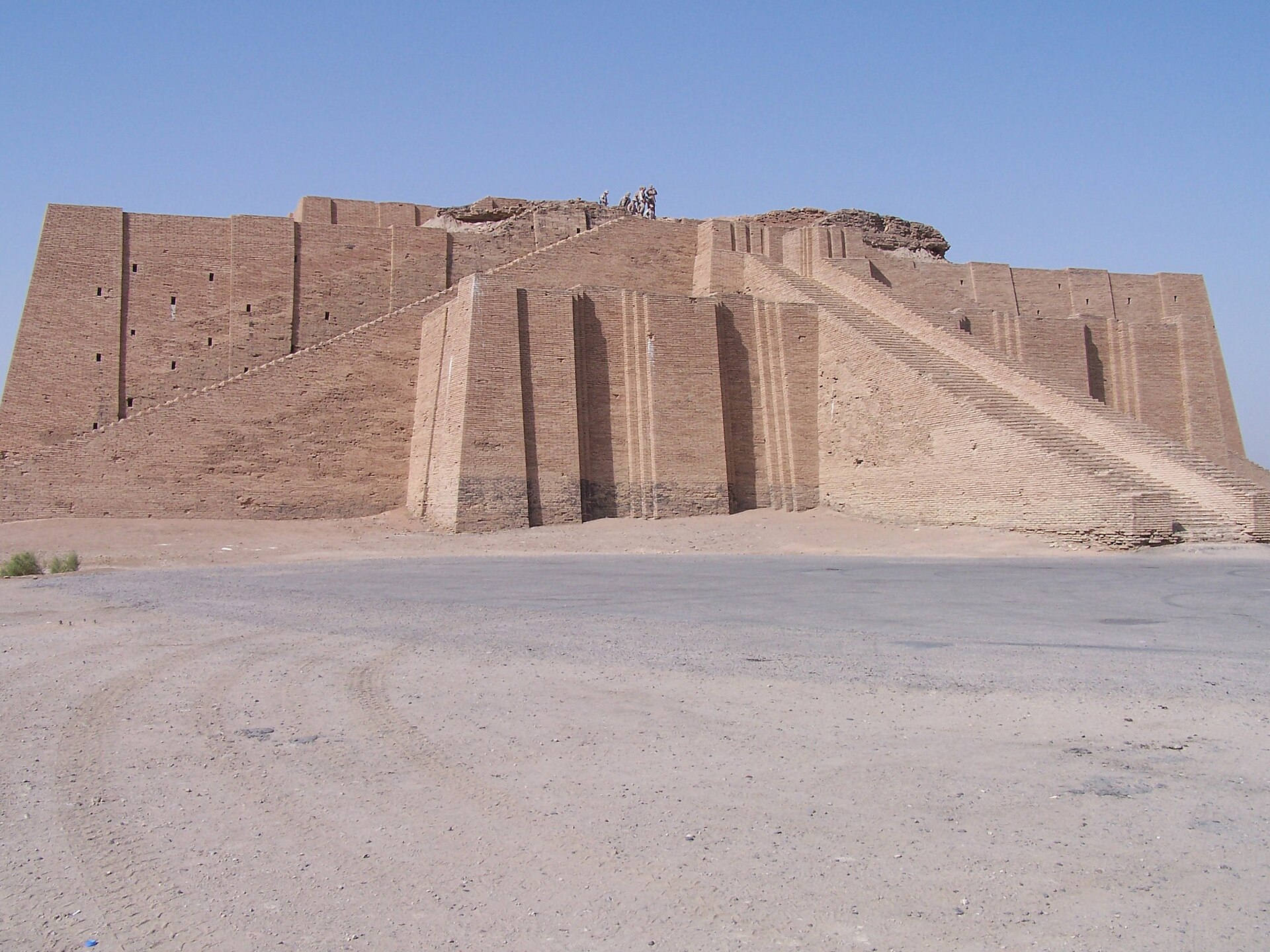
Terah sets out from Ur with his son Abram, Sarai and his grandson Lot, and settles at Harran. The family of three faiths begins as a family on the road.
Four eras of one family: the father in scripture, the shared lands of Jerusalem and Andalusia, the treaties of 1977 to 1995, and the Abraham Accords. Every date here can be checked; the first era is cited by chapter and verse.
Terah sets out from Ur with his son Abram, Sarai and his grandson Lot, and settles at Harran. The family of three faiths begins as a family on the road.
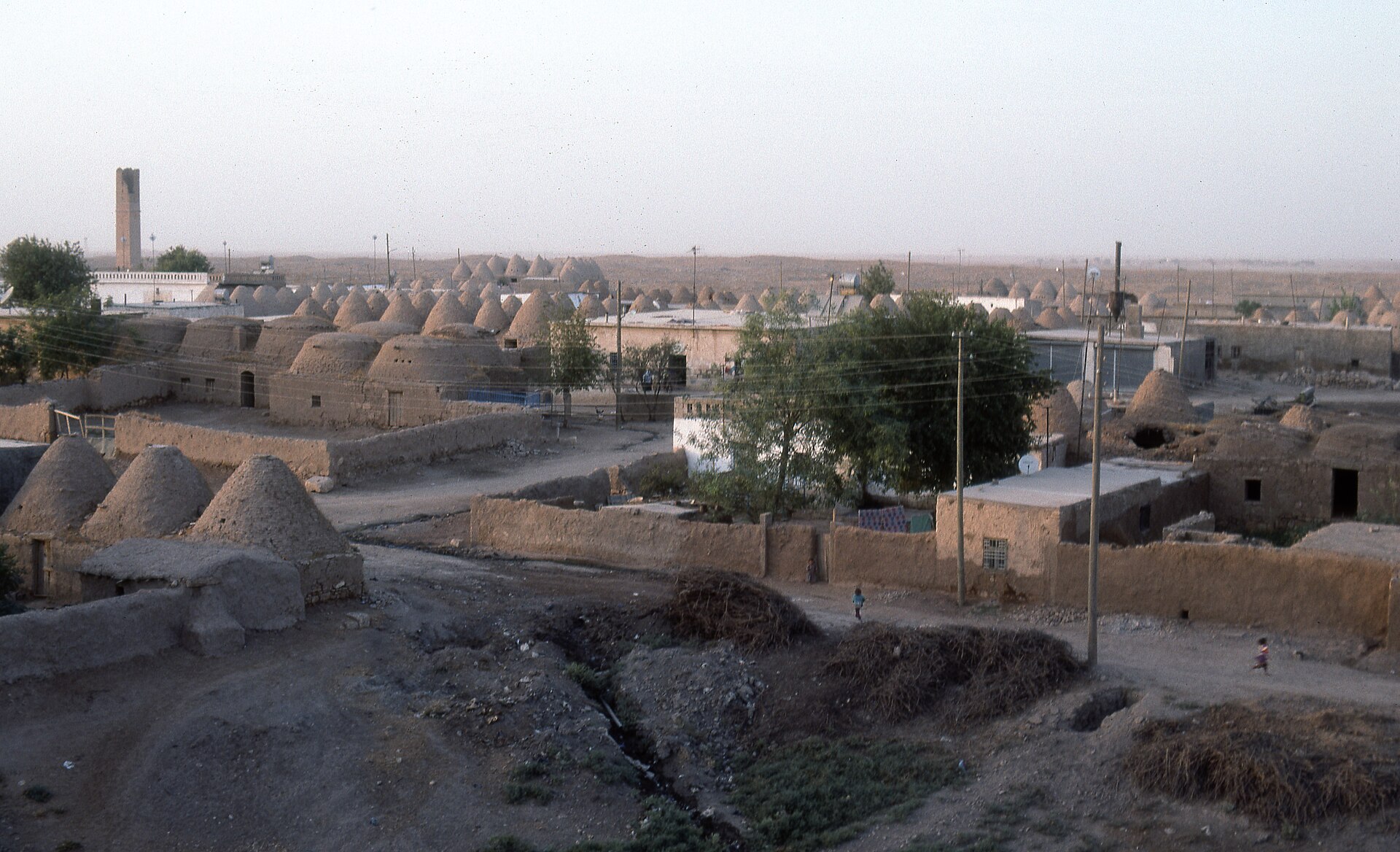
Abram is told to leave his land and his father’s house for a land he will be shown, with a promise: through him all the families of the earth will be blessed.
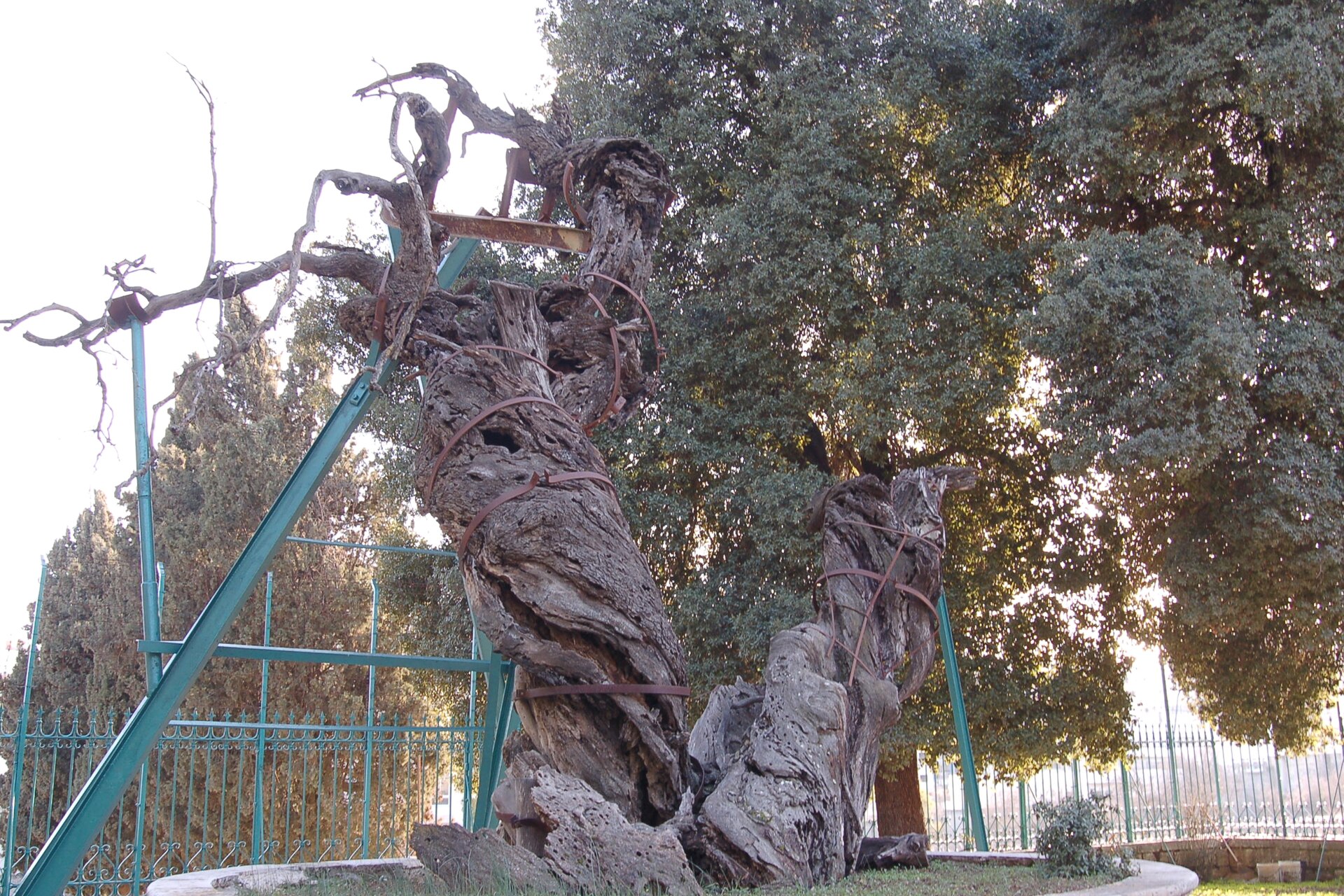
Sitting at the door of his tent in the heat of the day, Abraham runs to meet three strangers and feeds them. The Qur’an tells of the same honoured guests (51:24–27). It is the scene this site is built on.
Two sons, two mothers, two peoples. In Genesis, Hagar and Ishmael are sent away and saved in the desert; in the Qur’an, Abraham and Ishmael raise the foundations of the House at Mecca.
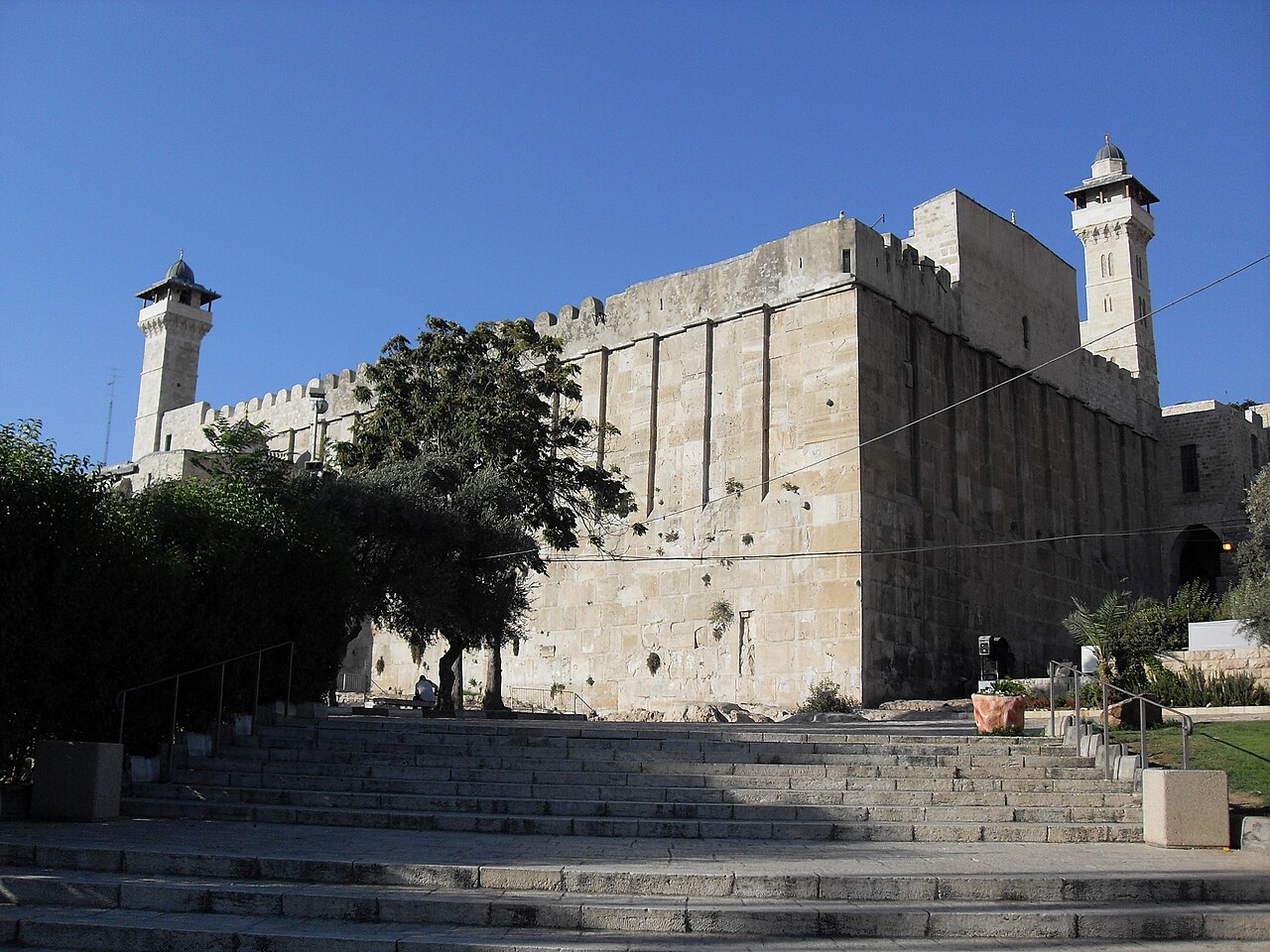
Abraham buys a cave at Hebron to bury Sarah. When he dies, his sons Isaac and Ishmael bury him there together.
“God took Abraham as a friend.” The title al-Khalil gives Hebron its Arabic name to this day.
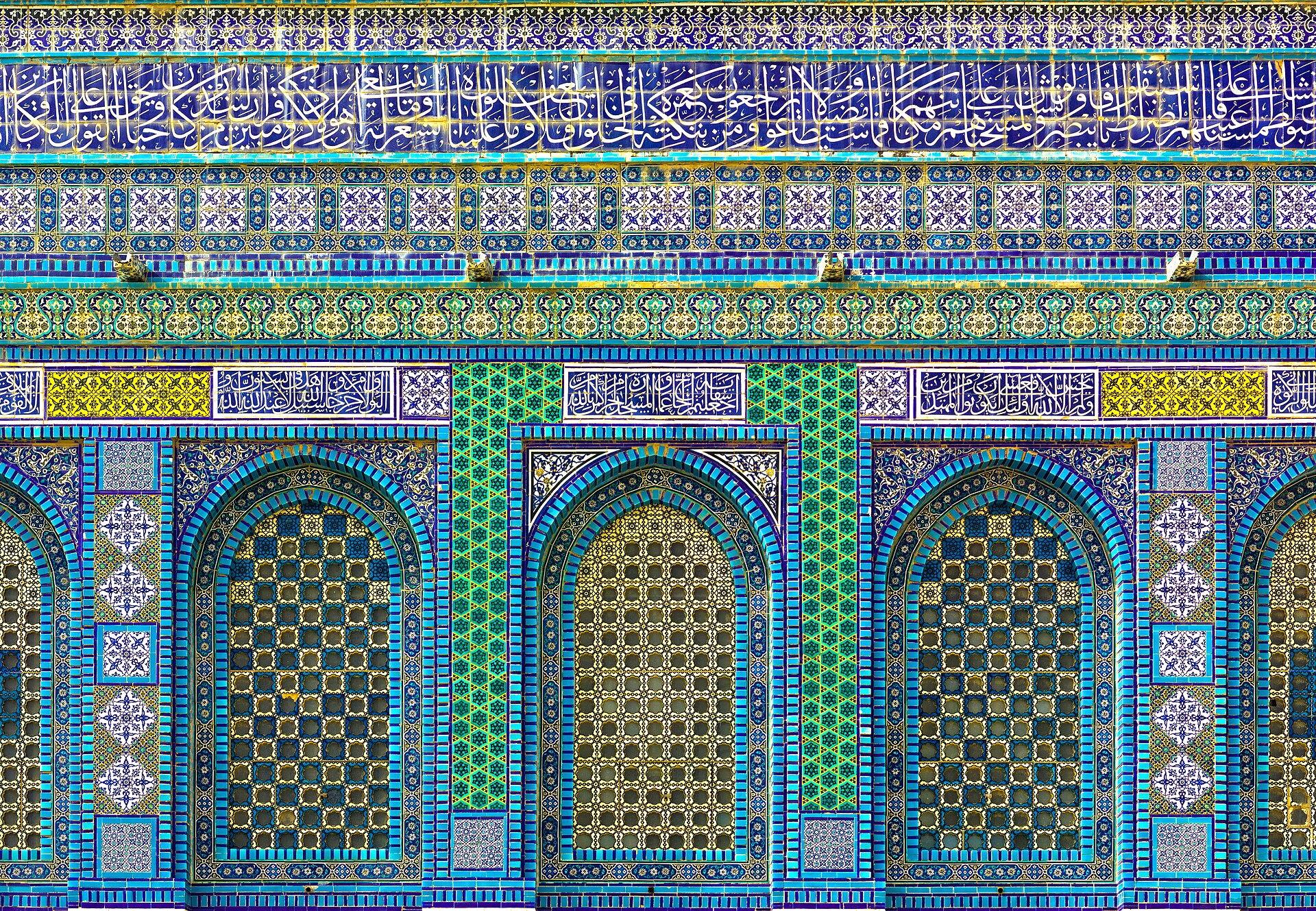
The Umayyad caliph Abd al-Malik completes the Dome of the Rock on the Temple Mount in Jerusalem, the oldest standing monument of Islamic architecture.
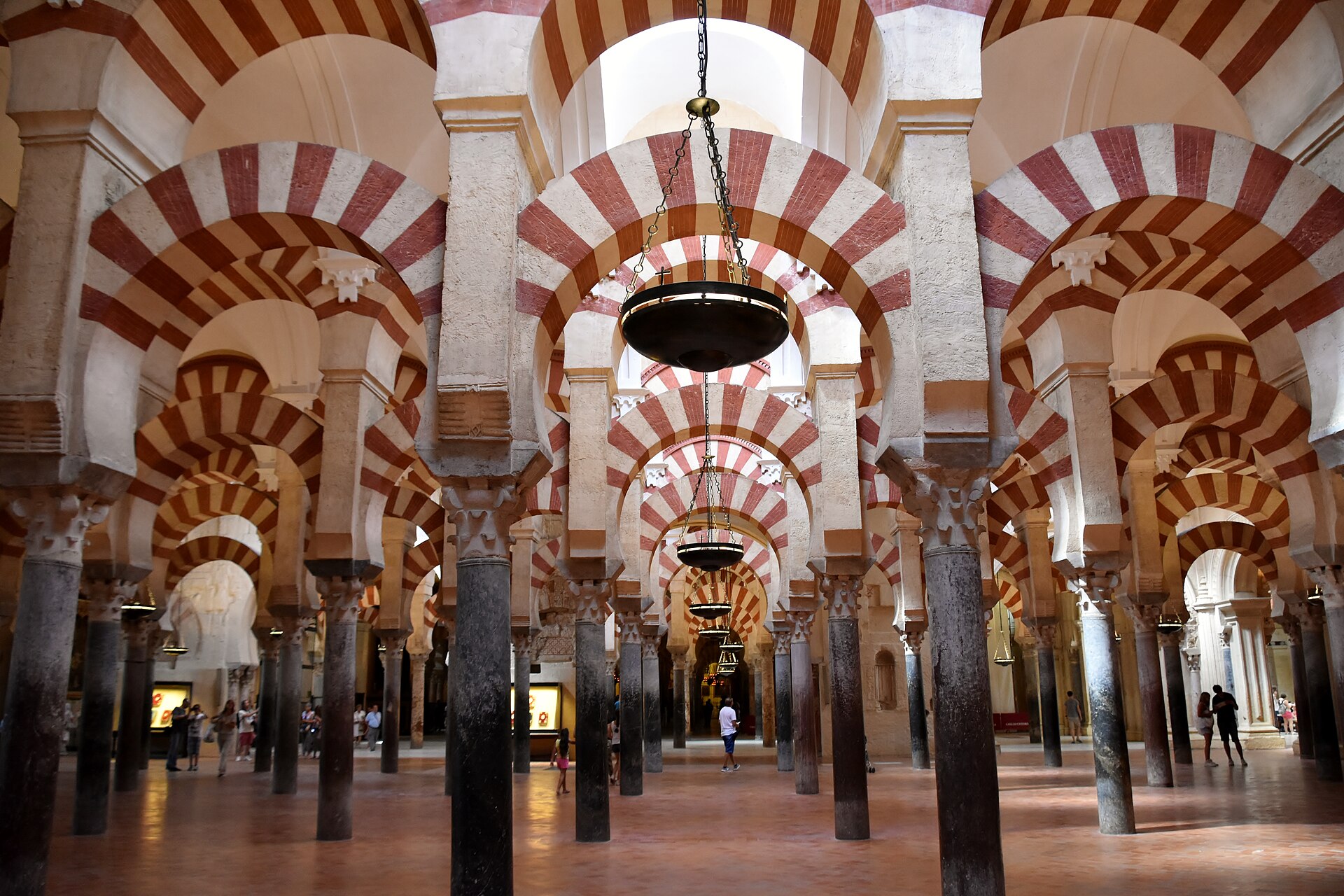
Abd al-Rahman I begins the mosque whose double arches will grow for two centuries, in a city where Jews, Christians and Muslims live side by side.
A Jewish physician and diplomat serves the caliph Abd al-Rahman III in Córdoba and becomes a patron of Hebrew poetry and learning.
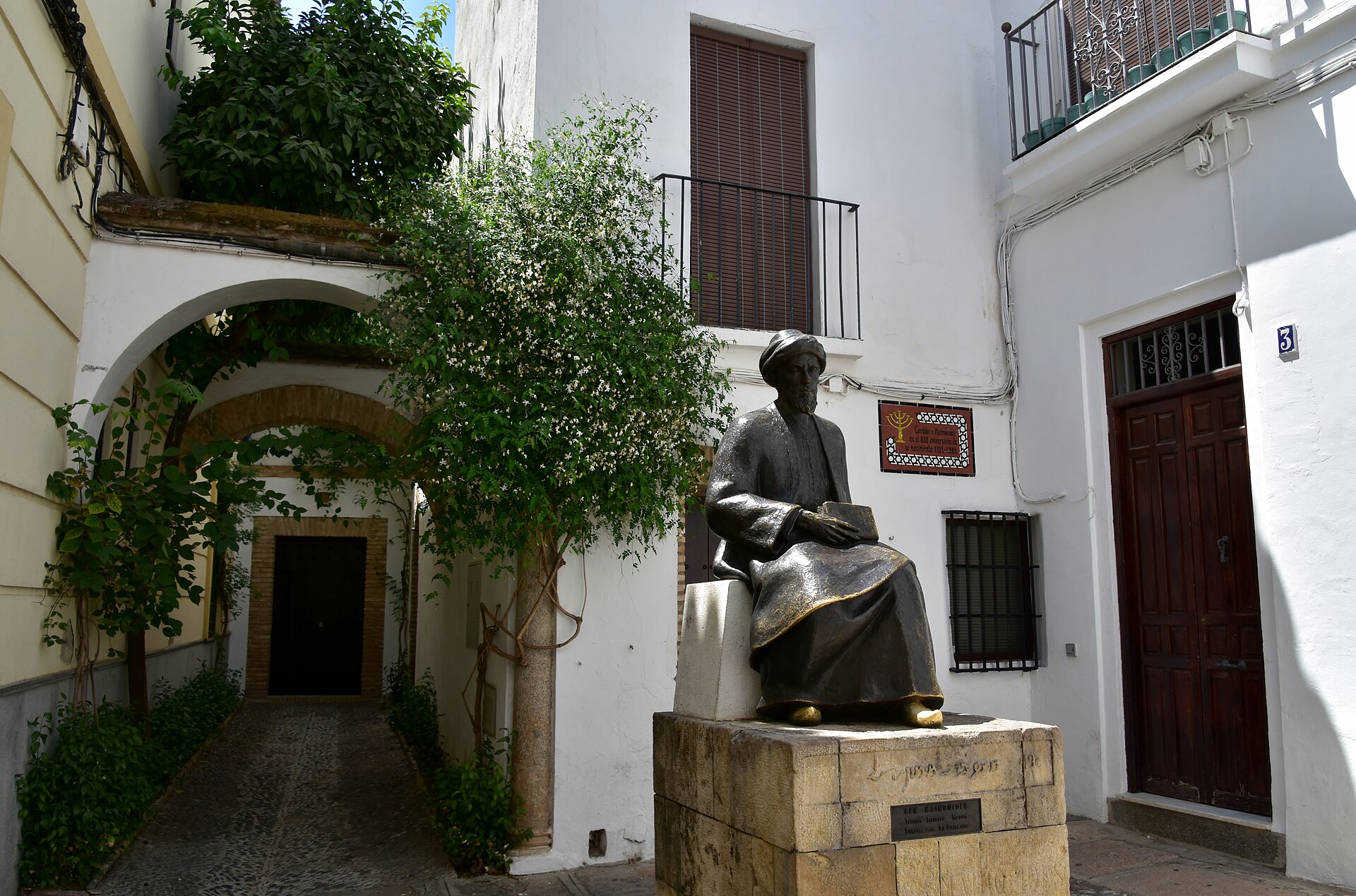
Moses ben Maimon (born 1138, some say 1135) will become the greatest Jewish thinker of the age, writing his Guide for the Perplexed in Judeo-Arabic around 1190.
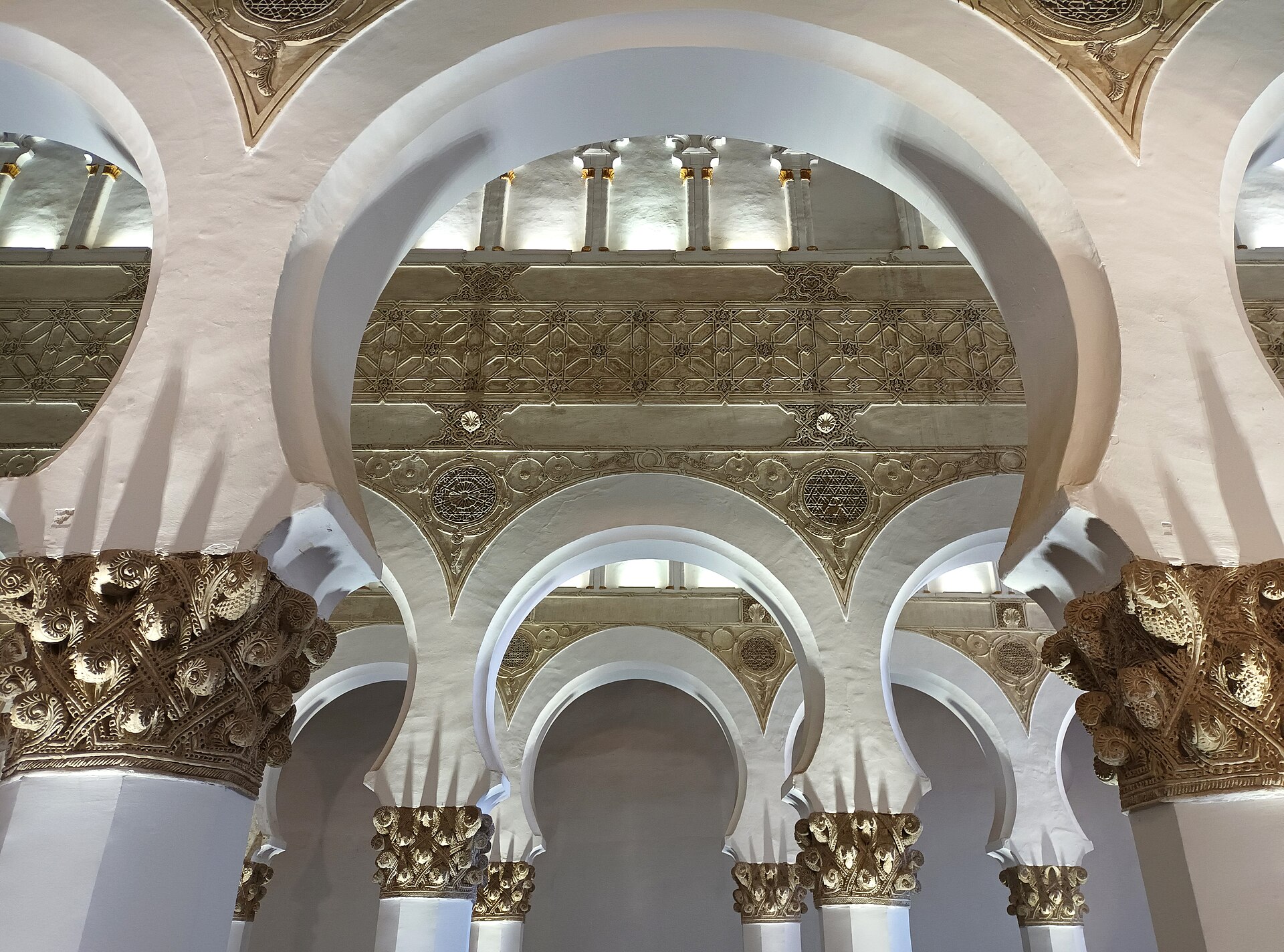
Toledo’s Jews build a synagogue of white horseshoe arches, now known as Santa María la Blanca: Jewish prayer in a Mudéjar hall, later a church.
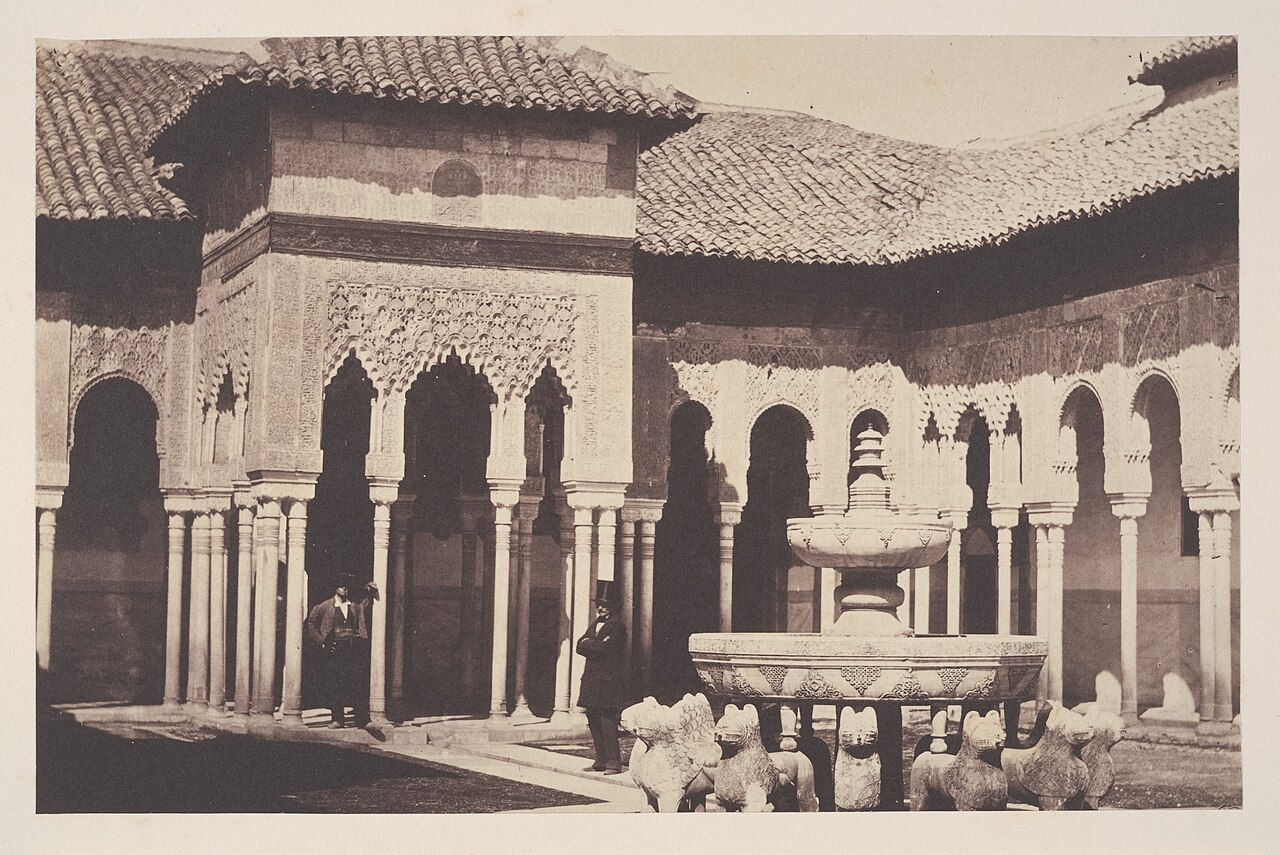
The Alhambra Decree expels the Jews of Spain. Many find refuge in the Ottoman Empire and North Africa, carrying Andalusia with them.
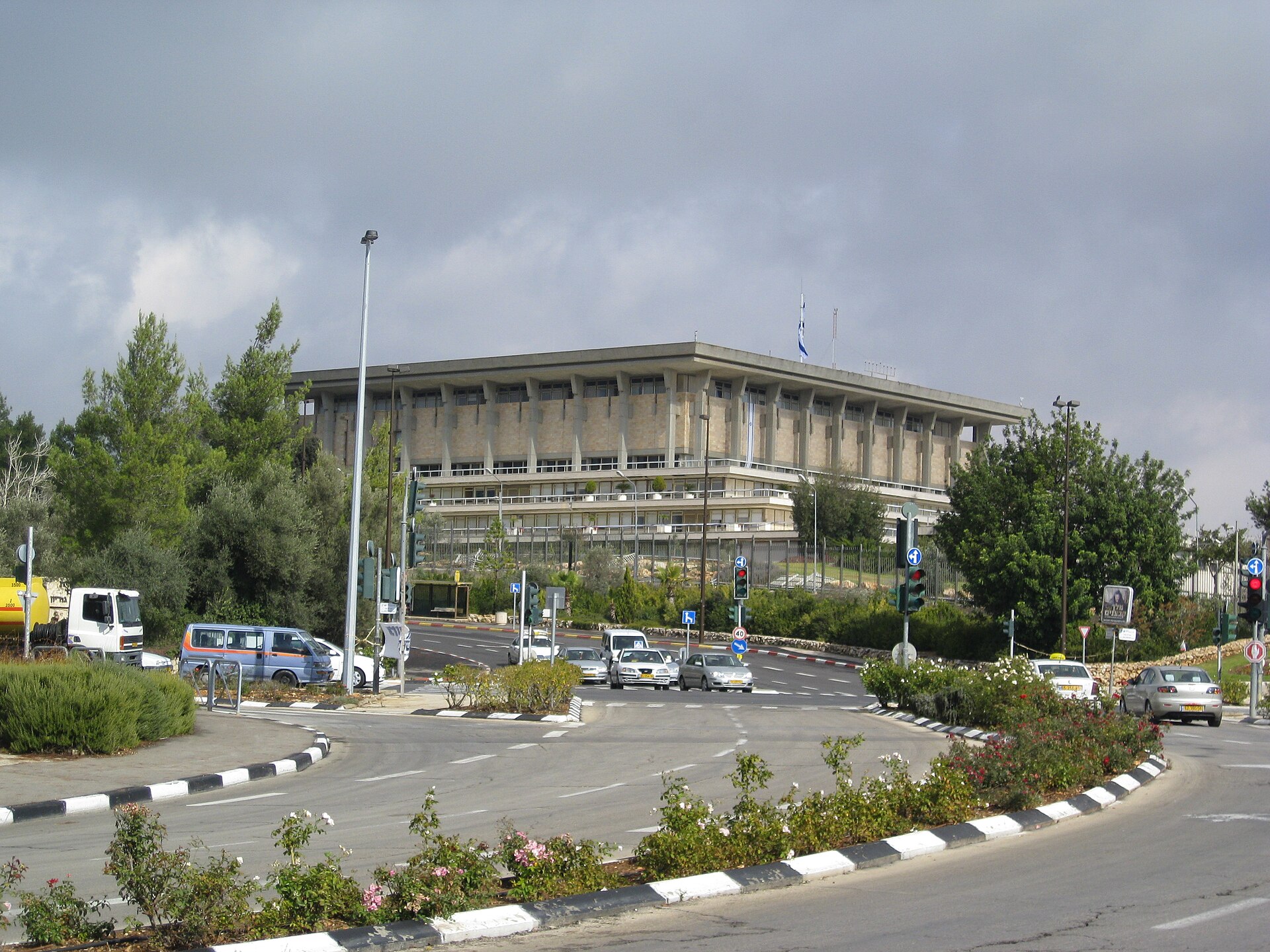
President Anwar Sadat of Egypt flies to Israel and addresses the Knesset: “We accept to live with you in permanent peace based on justice.”
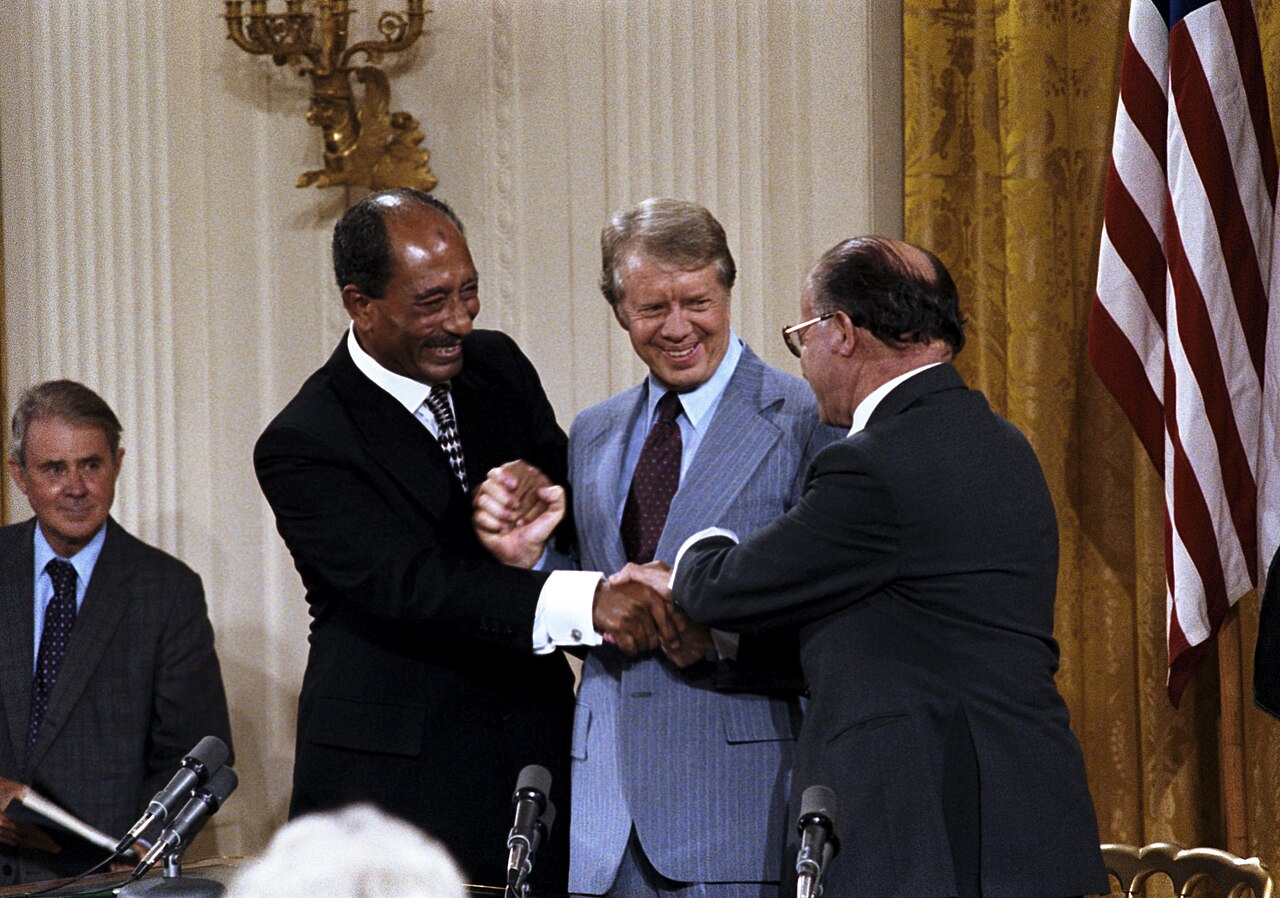
After thirteen days with Jimmy Carter, Sadat and Menachem Begin sign two frameworks for peace at the White House.
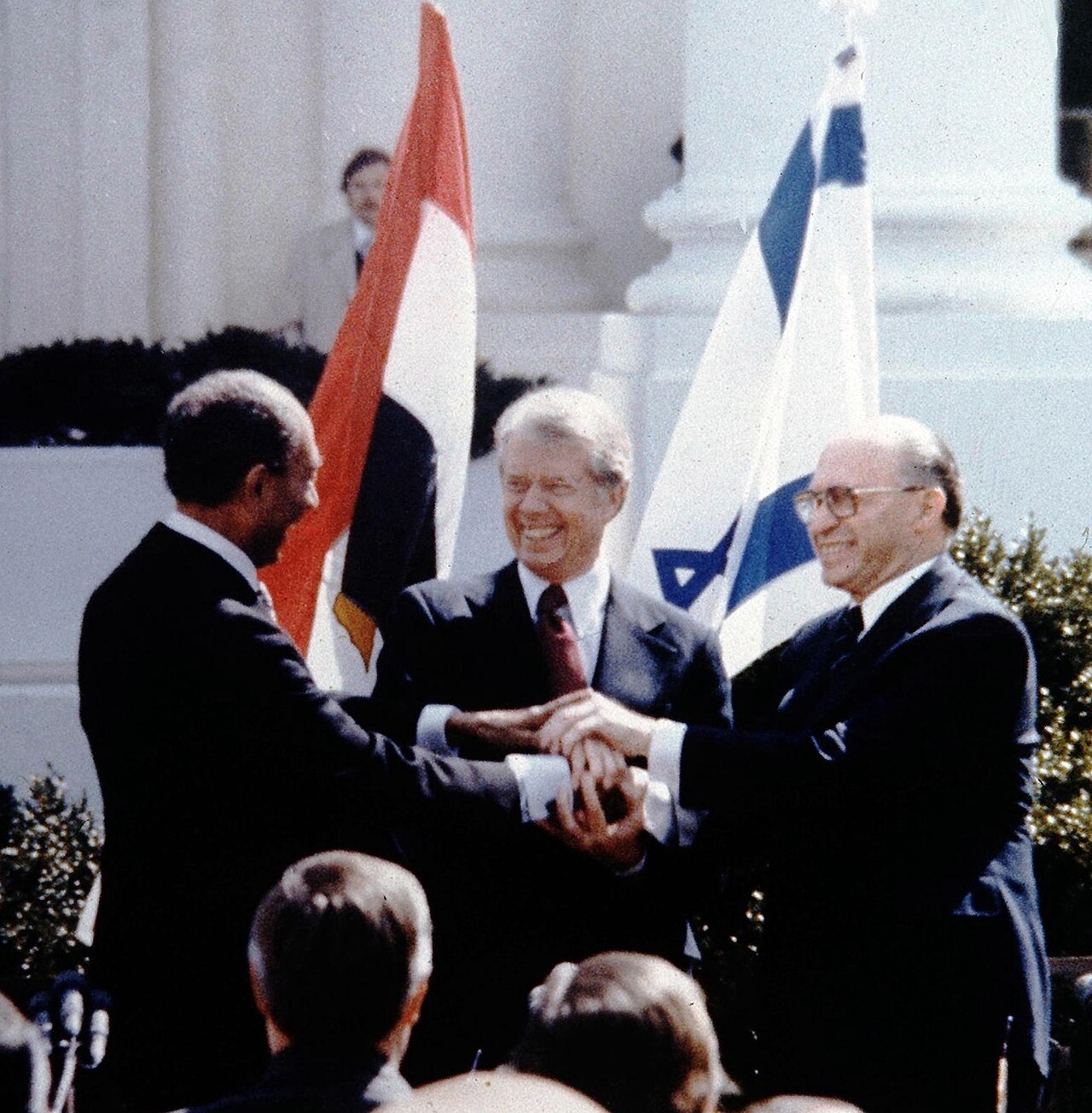
The first peace treaty between Israel and an Arab state ends the state of war and provides for withdrawal from Sinai.
Israel completes its withdrawal from Sinai. The treaty holds, through every crisis since.
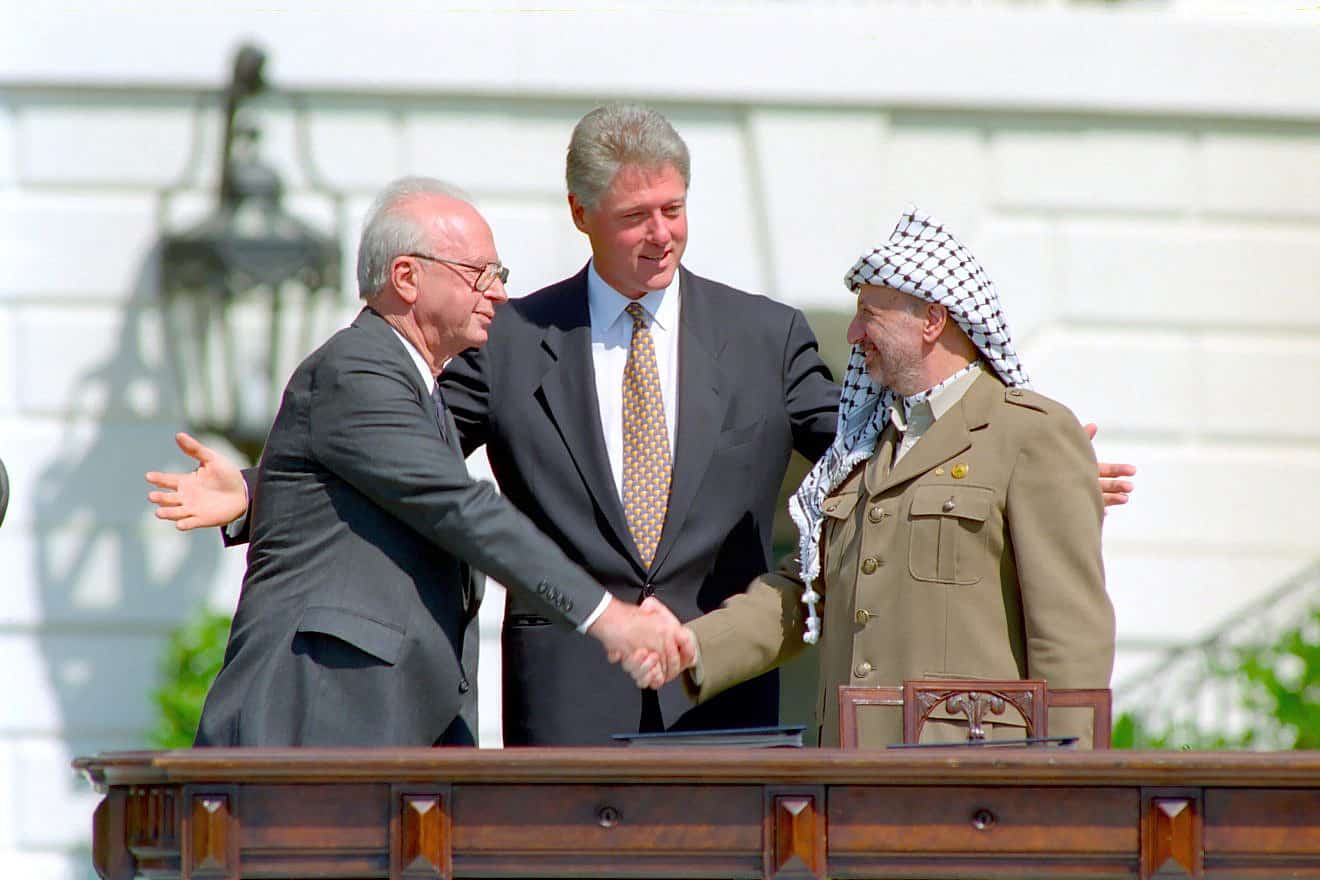
Israel and the PLO sign the Declaration of Principles at the White House; Rabin and Arafat shake hands.
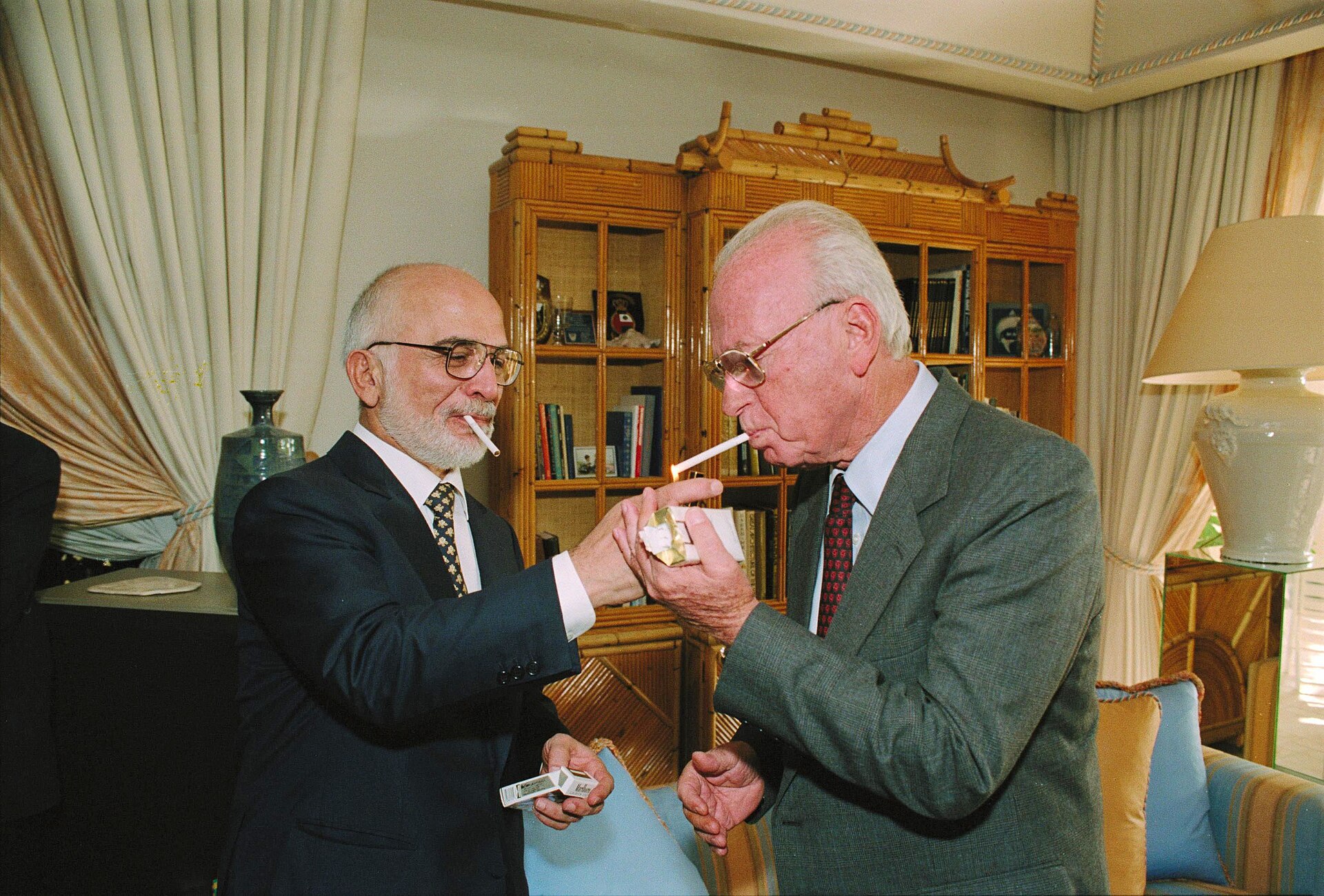
At the Arava crossing, Israel and Jordan sign a Treaty of Peace, with King Hussein present and Bill Clinton as witness.
Yitzhak Rabin is assassinated at the end of a peace rally in Tel Aviv. King Hussein speaks at his funeral.
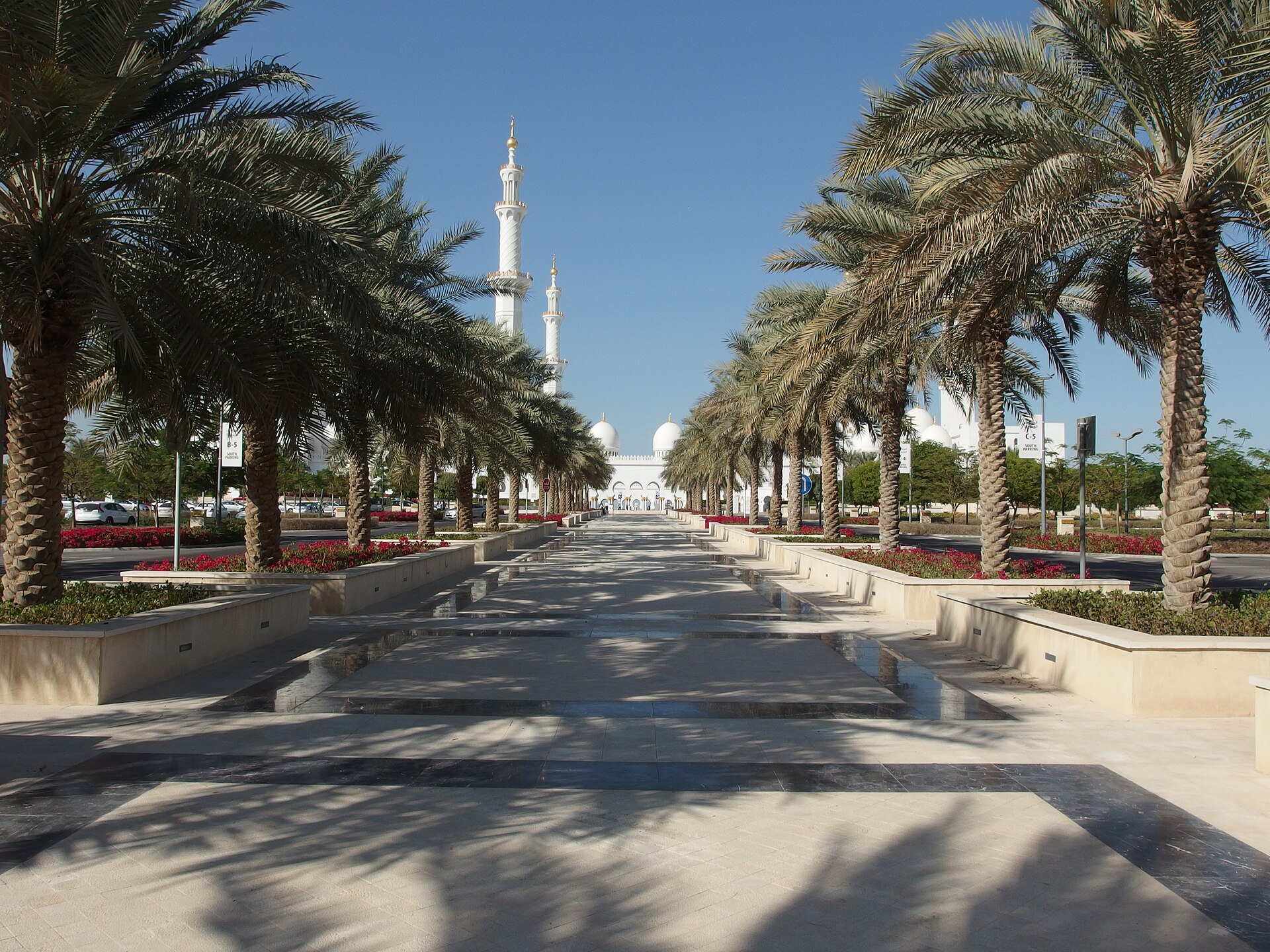
In Abu Dhabi, Pope Francis and the Grand Imam of al-Azhar, Ahmed al-Tayeb, sign a joint declaration on fraternity and peace.
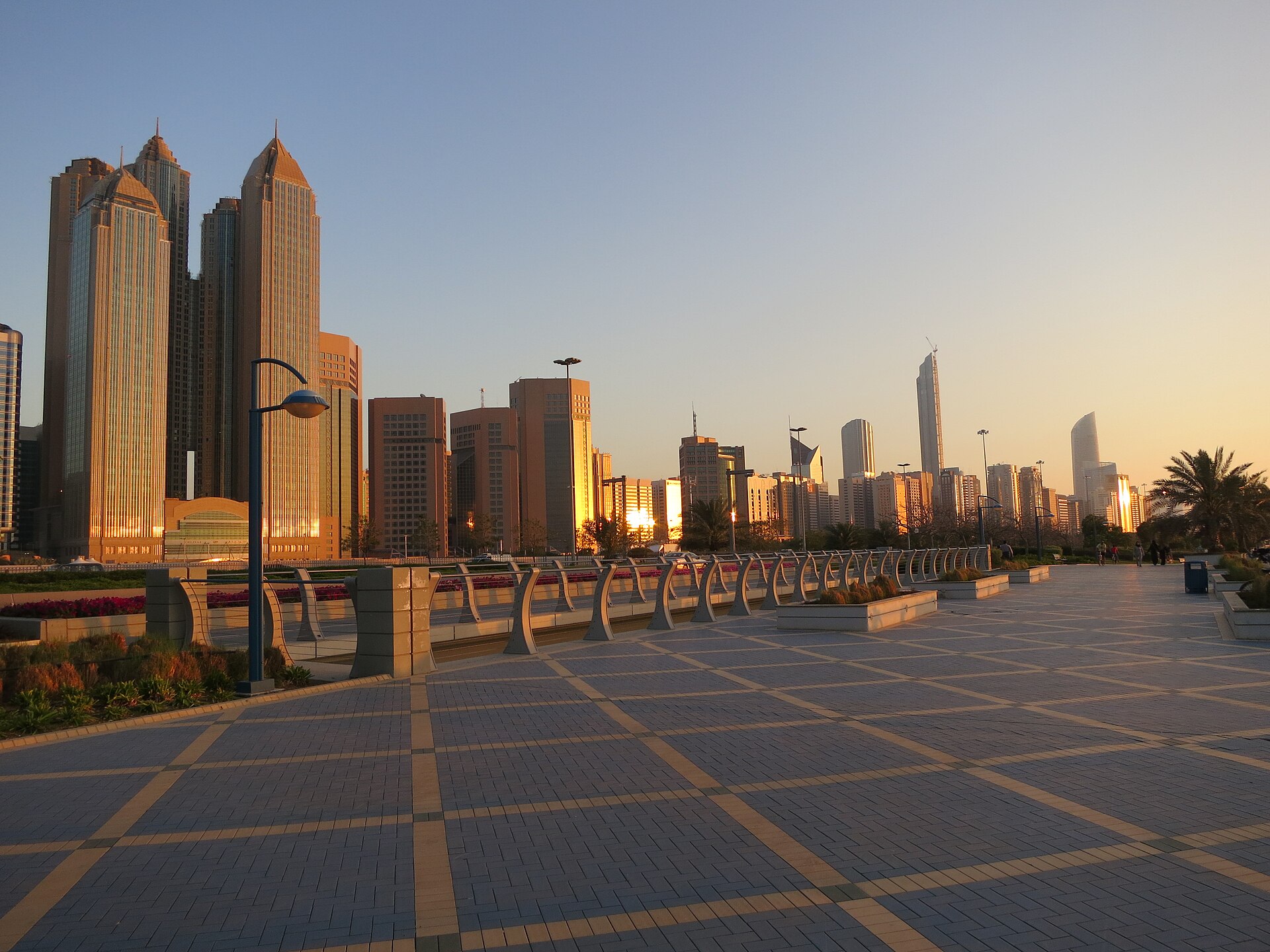
A joint statement announces that the United Arab Emirates and Israel will normalise relations.
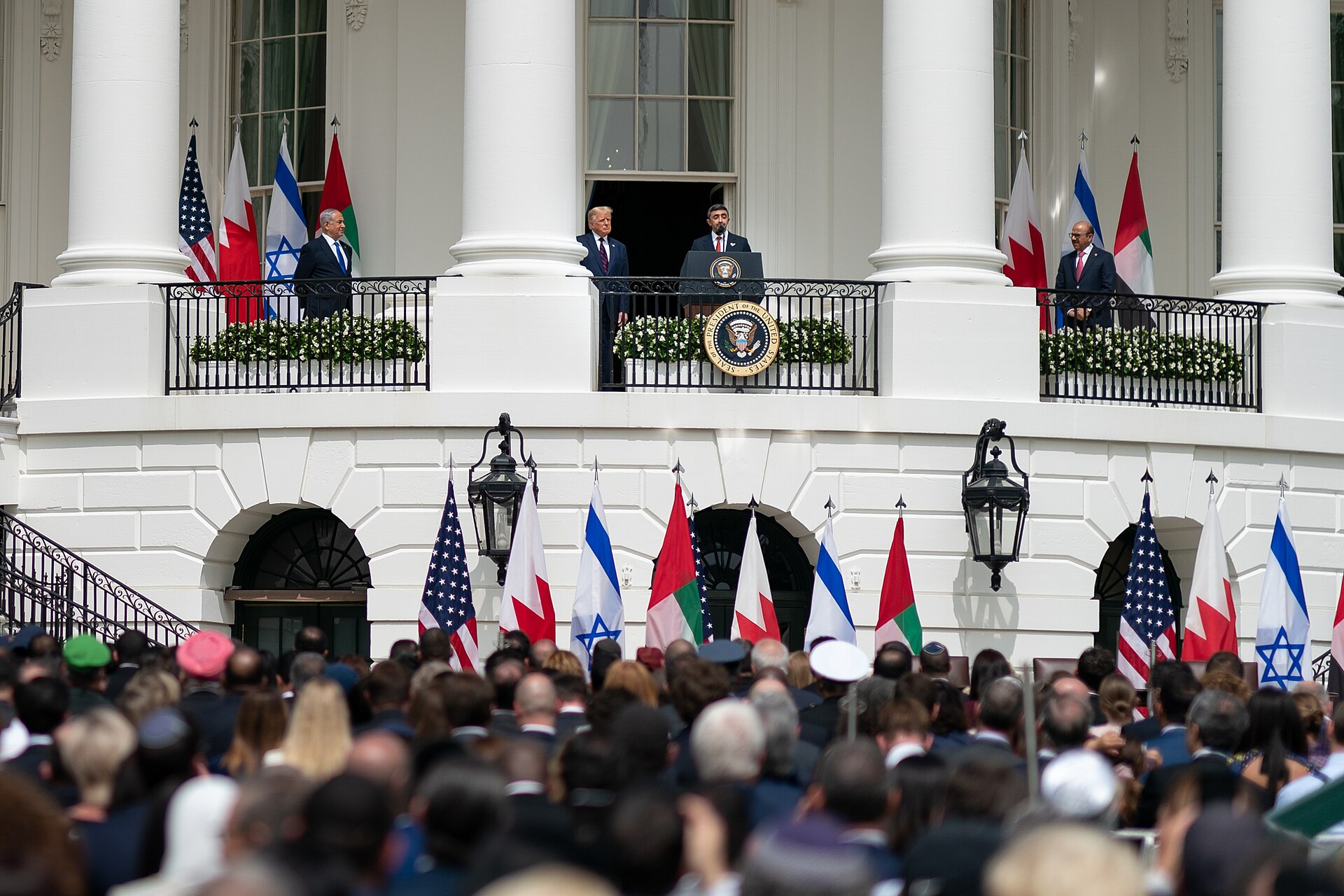
At the White House, the UAE and Bahrain sign with Israel, and a short declaration commits its signers to dialogue among the three Abrahamic faiths.
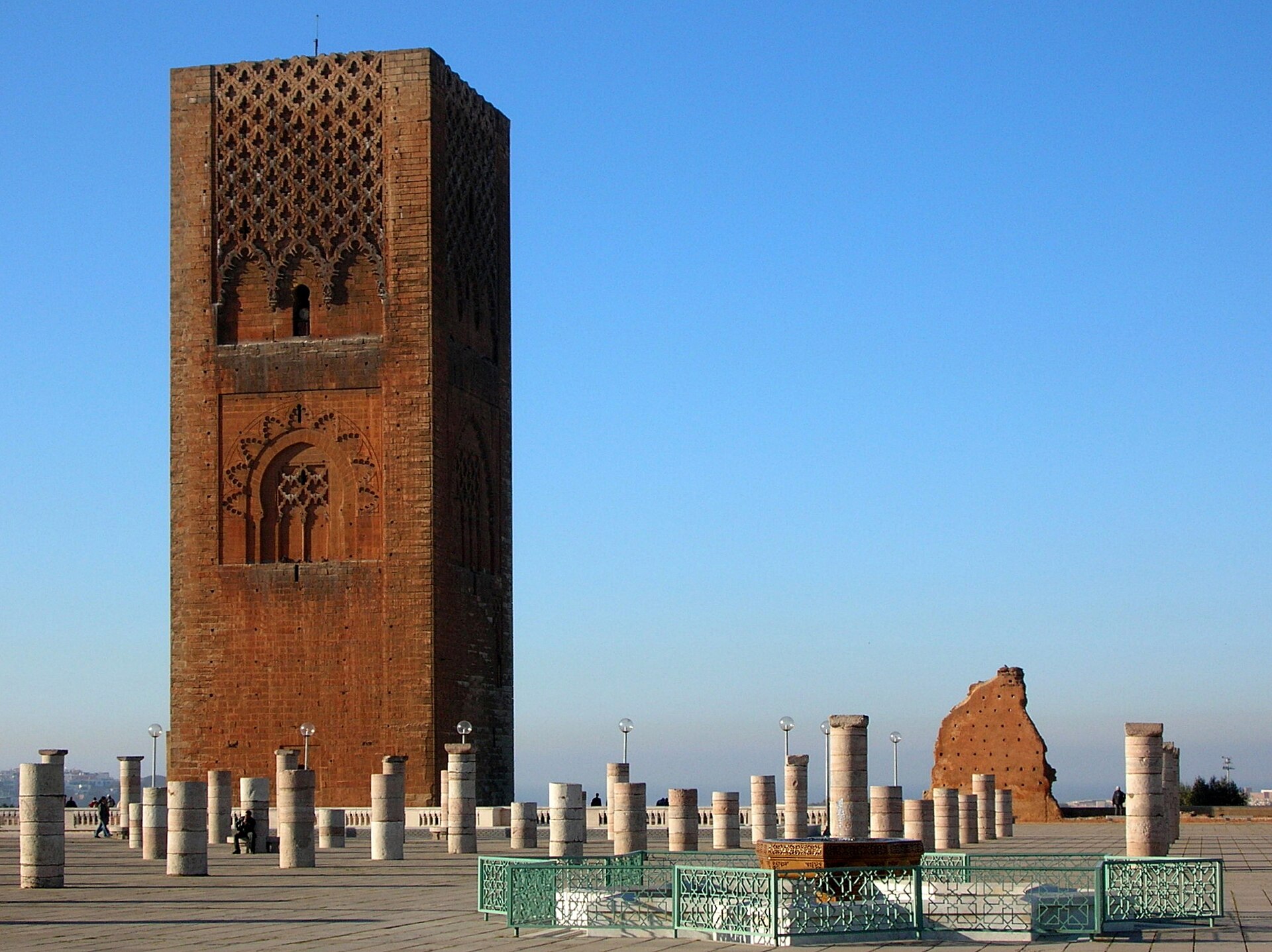
In Rabat, Morocco, Israel and the United States sign a joint declaration restoring full official contacts.
In Khartoum, Sudan signs the Abraham Accords Declaration.
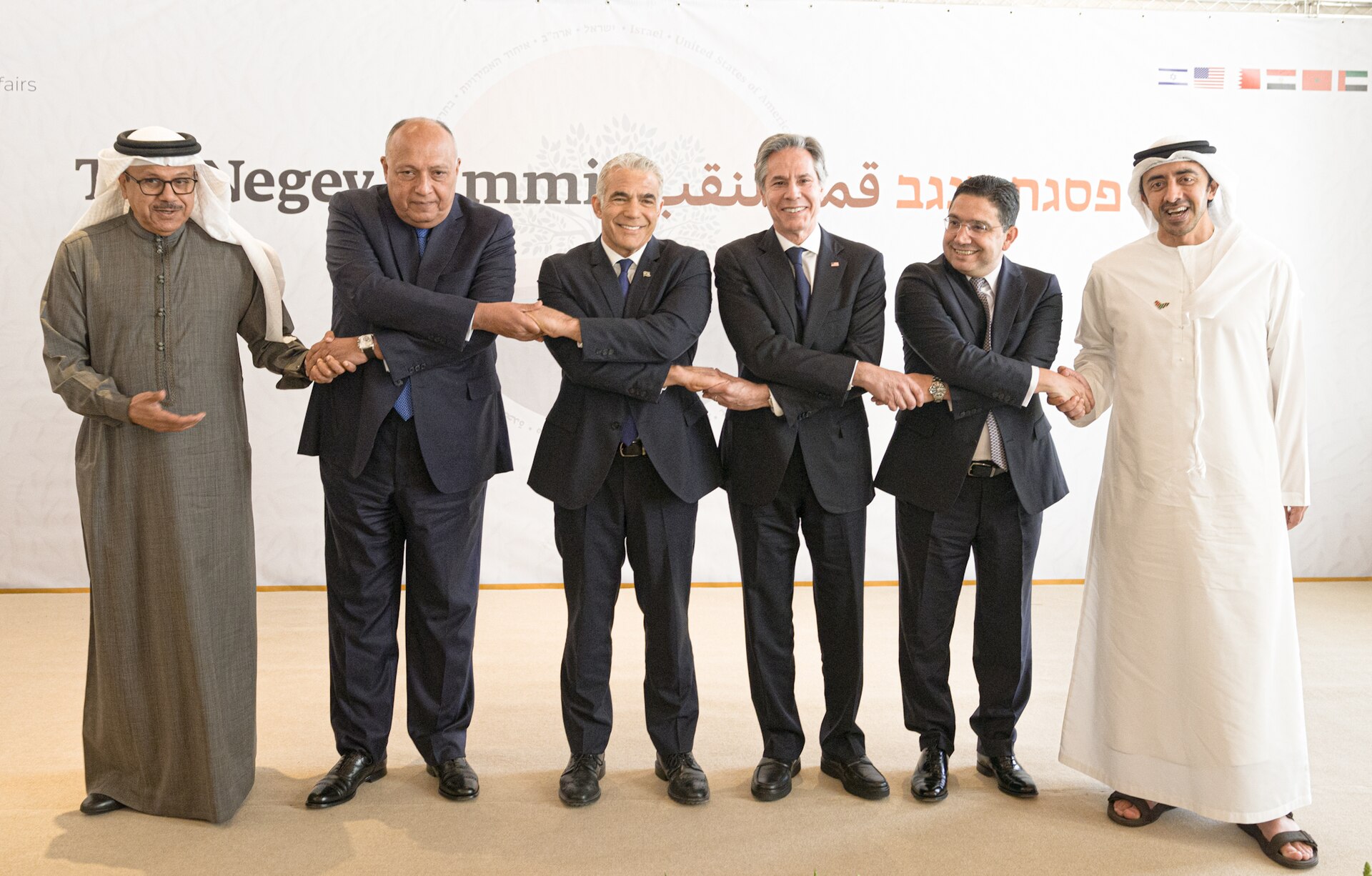
Six foreign ministers meet at Sde Boker and agree to make the summit a permanent forum.
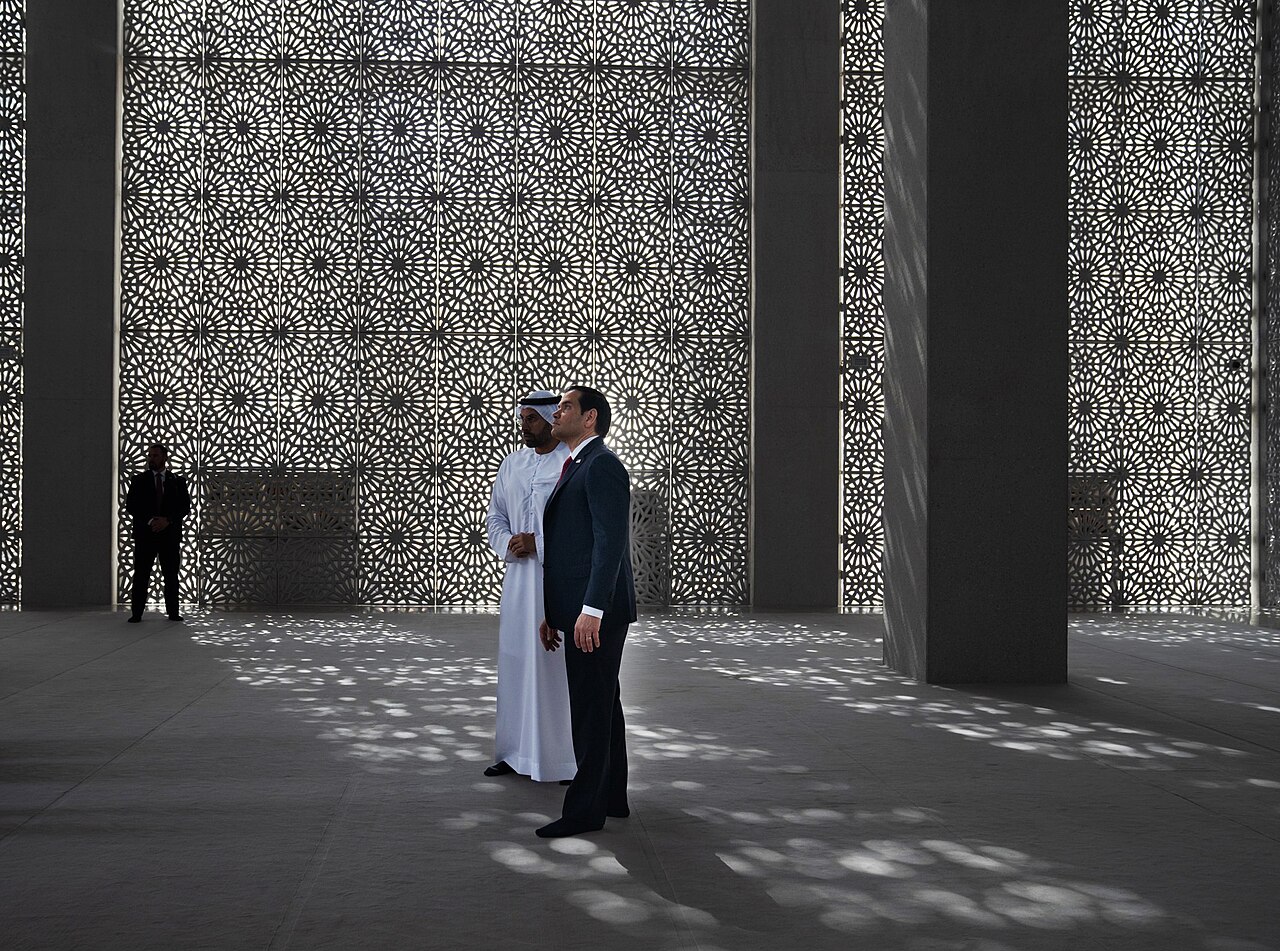
A mosque, a church and a synagogue on one garden in Abu Dhabi open to the public.
The U.S. State Department announces that Kazakhstan will join the Abraham Accords.
Today · the next line is yours