Córdoba and Toledo: What Al-Andalus Remembers
A mosque begun in 785, a synagogue built with horseshoe arches, a city of translators. The golden age of Muslim Spain was real, and it was not simple. Both halves of that sentence matter.
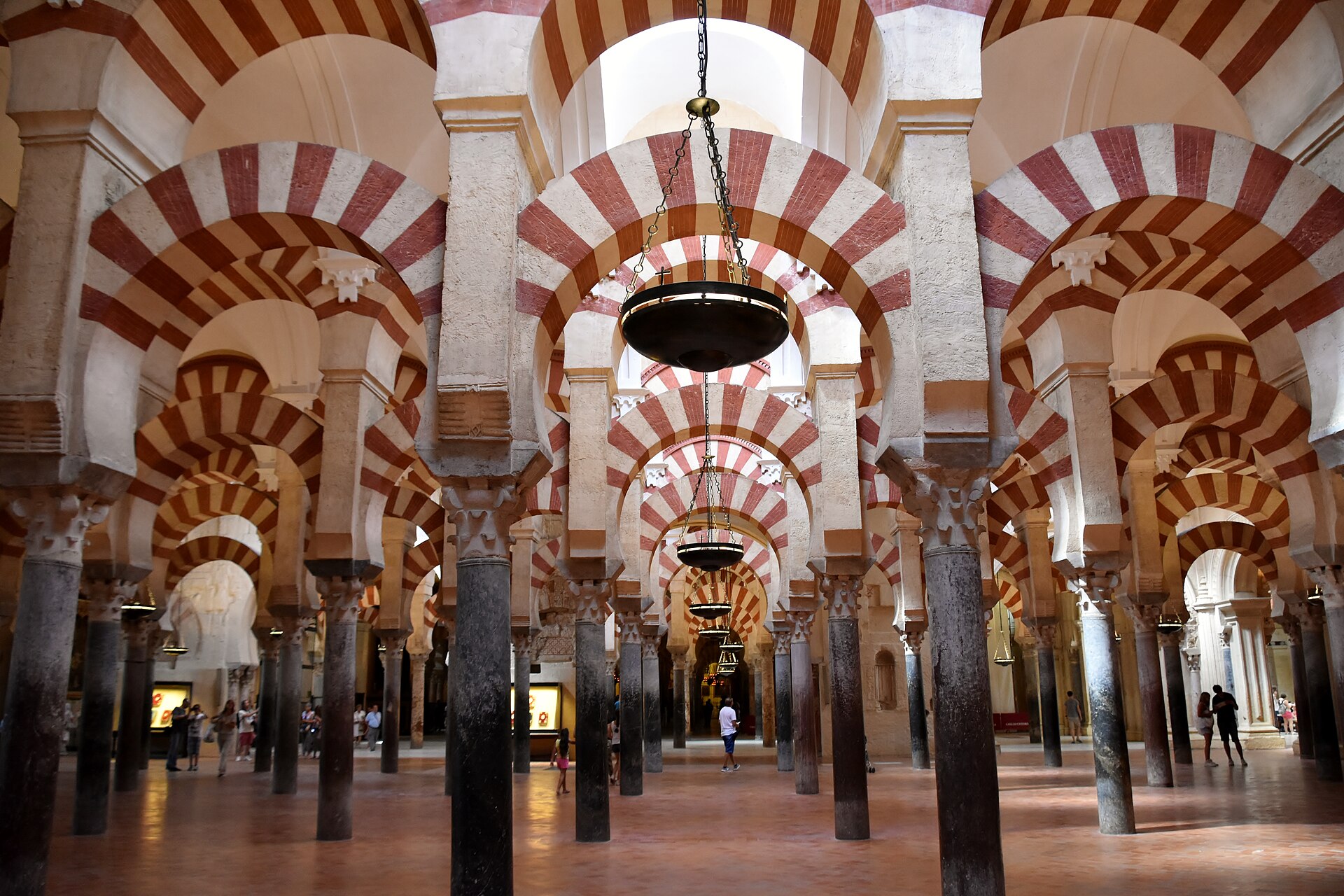
The Great Mosque of Córdoba was begun in 785 under Abd al-Rahman I. Its forest of red and white double arches grew for two more centuries, as the city became one of the largest and most learned in Europe. Jews, Christians and Muslims lived in it, traded in it and, at times, argued in its courts and libraries.
In Toledo, around the year 1200, the Jewish community built a synagogue whose white horseshoe arches and carved capitals look, to modern eyes, like a mosque. It is now called Santa María la Blanca, because it later became a church. The building is the argument: three traditions in one set of stones.
The convivencia was not a paradise. It was something more useful: proof that difficult neighbours can build something beautiful together.
An honest golden age
Historians still argue about how golden the age was. There were periods of protection and periods of persecution, under Muslim and Christian rulers alike; Maimonides' own family fled Córdoba. The story ends in 1492 with the expulsion of the Jews from Spain.
We tell it anyway, honestly, because memory is a resource. When the Abraham Accords speak of a shared heritage, these are the rooms they mean.
Written by
Editorial desk
Contributor, Abrahamic Ambassadors
Ask the Tent
Questions about this article? The Tent answers from the Archive and the Journal.
More like this
Related Articles
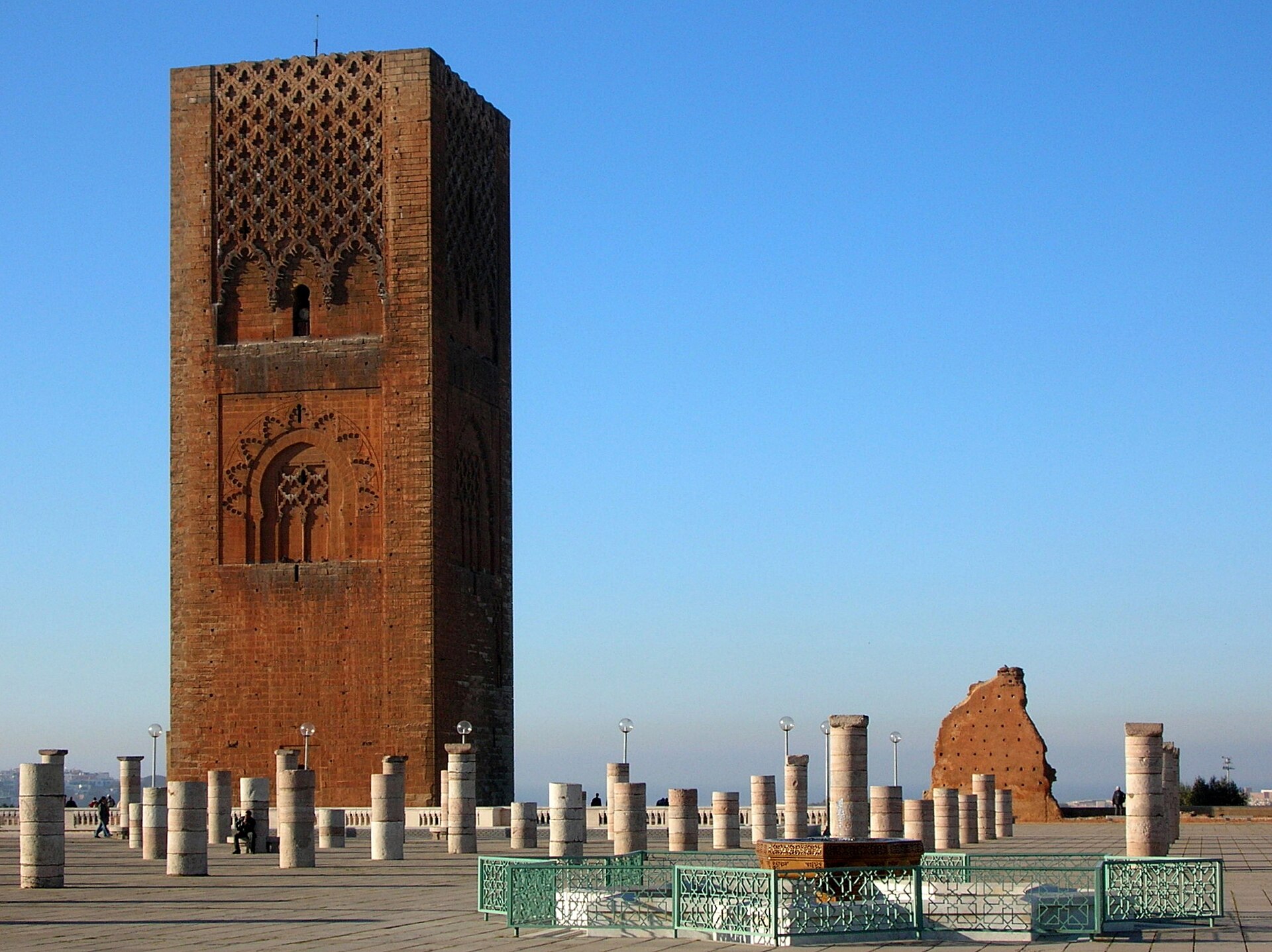
Abu Dhabi, Manama, Rabat: The Capitals of the Accords
A synagogue in Manama, a constitution in Rabat, a garden of three houses in Abu Dhabi. The Accords were signed in Washington, but they live in three Arab capitals with long Jewish memories.
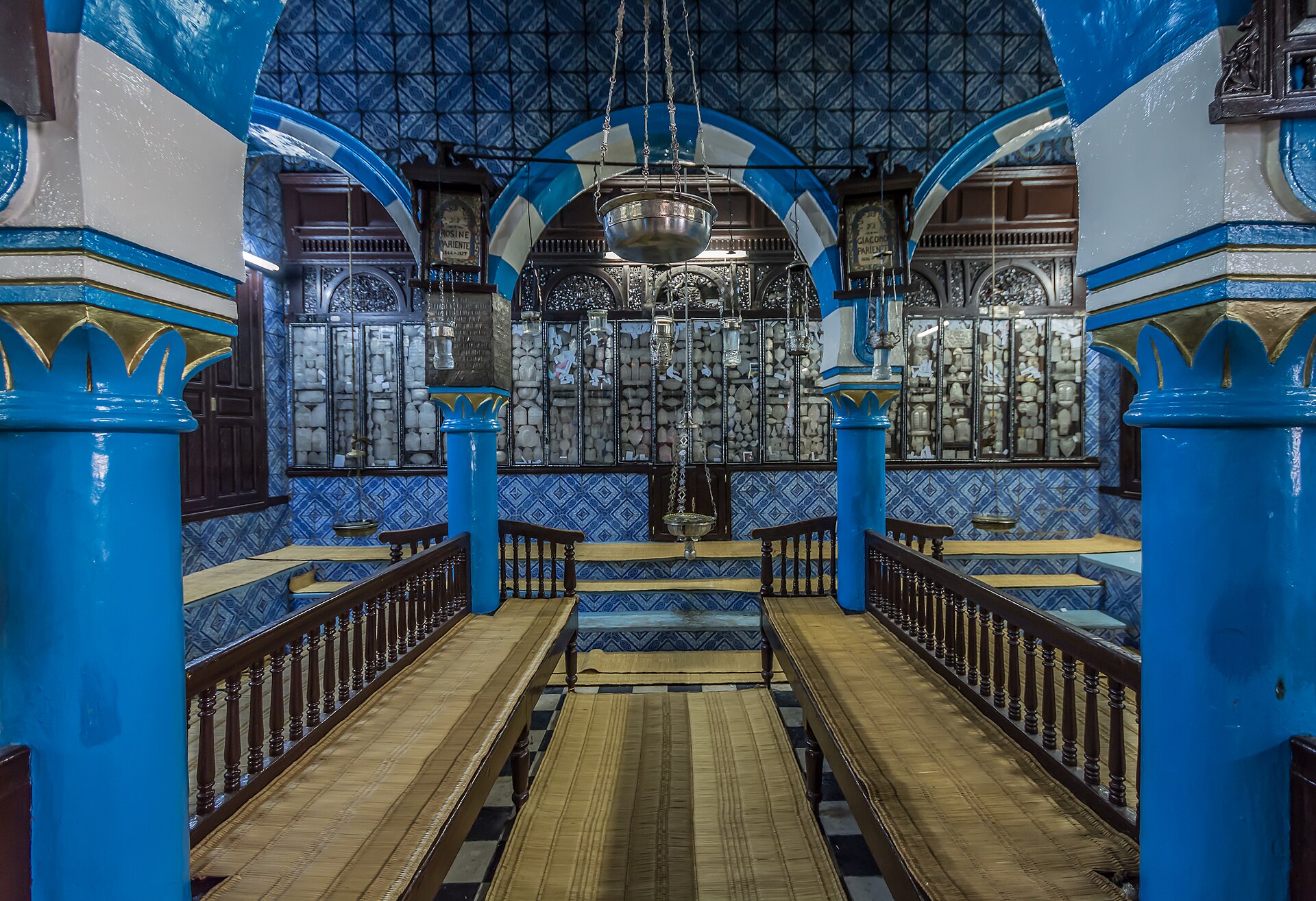
El Ghriba: A Pilgrimage on an Island
Every spring, Jewish pilgrims come to a blue-tiled synagogue on the Tunisian island of Djerba, and their Muslim neighbours come to welcome them. Legend says the stones came from Jerusalem.