Why We Call It the Hall of Peace
Most halls of fame celebrate winners. Ours remembers people who took a risk for an enemy, and sometimes paid for it with their lives. And it keeps a place for you.
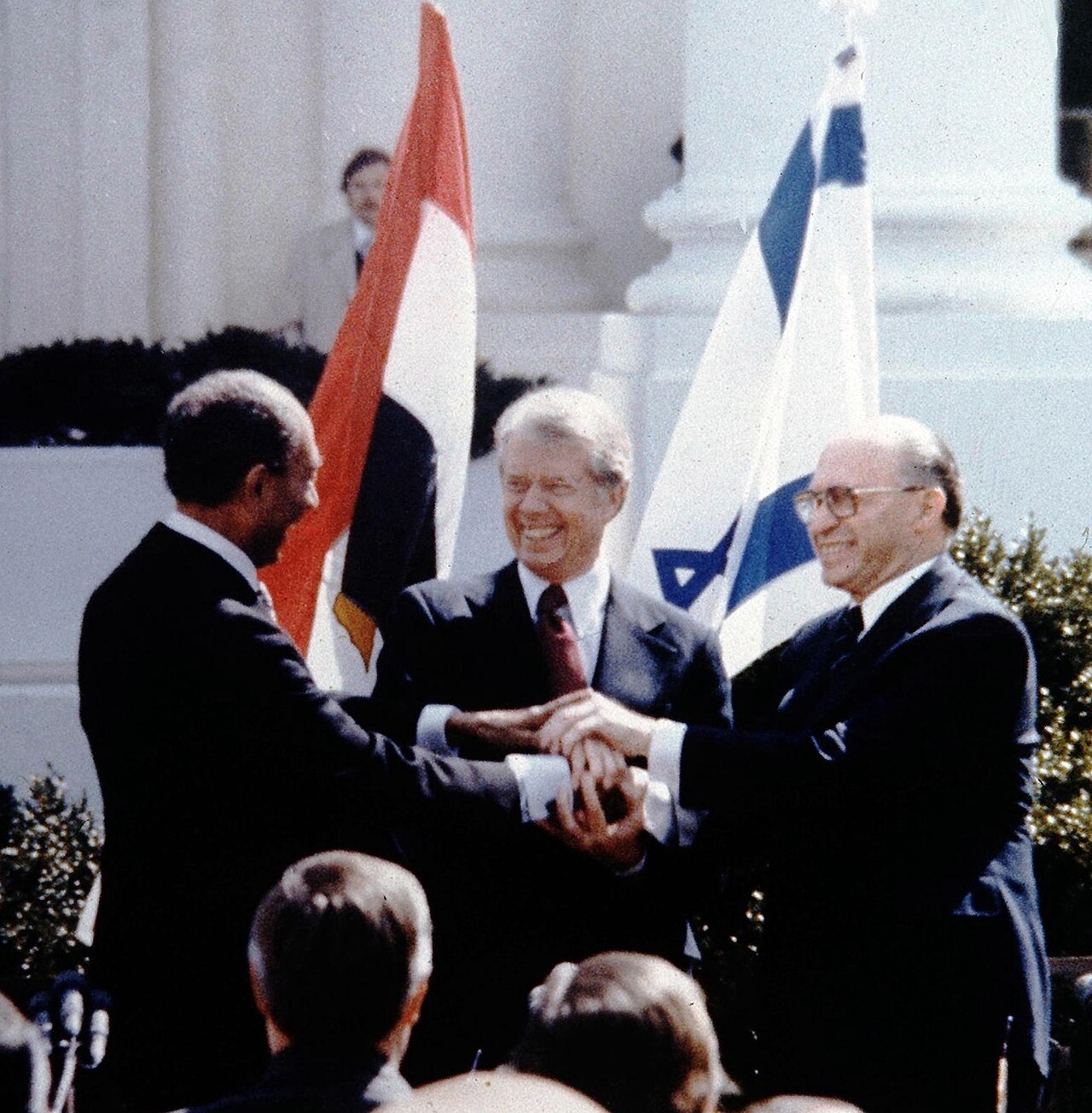
Two of the men in our Hall of Peace were killed for making peace. Anwar Sadat was shot in 1981; Yitzhak Rabin in 1995. Others were mocked at home, lost elections, or were called traitors by people who had elected them. That is why we did not call it a Hall of Fame.
Fame is what happens to winners. Peace is what happens when someone accepts the risk of losing: the risk of being the first to land, the first to sign, the first to say aloud that the enemy has a father who is also yours.
The Hall of Peace is a ring, not a ladder. Nobody stands at the top. You walk around it, and every face is in front of you once.
Room for more
The ring holds the treaty makers of 1978 to 1994, the signers of the Abraham Accords, and the faith leaders who signed the Document on Human Fraternity. It also holds a fourth group that is still empty: the Ambassadors. They are the teachers, imams, rabbis, priests, students and neighbours who carry the Accords into their own streets.
That row is for you. Be the first. Write to us and tell us what you are building.
Written by
Editorial desk
Contributor, Abrahamic Ambassadors
Ask the Tent
Questions about this article? The Tent answers from the Archive and the Journal.